











What stops schools, hospitals, and municipal enterprises from generating their own electricity and cutting their energy bills?
Although Ukrainian law already allows publicly funded and municipal institutions to become prosumers, in practice, hromadas still run into dozens of regulatory, technical, and financial barriers. That is precisely why, on 11–12 June in Truskavets, we brought together representatives of government bodies, the regulator, distribution system operators (DSO), local self-government, and the expert community to jointly develop solutions that help hromadas roll out the net-billing mechanism.

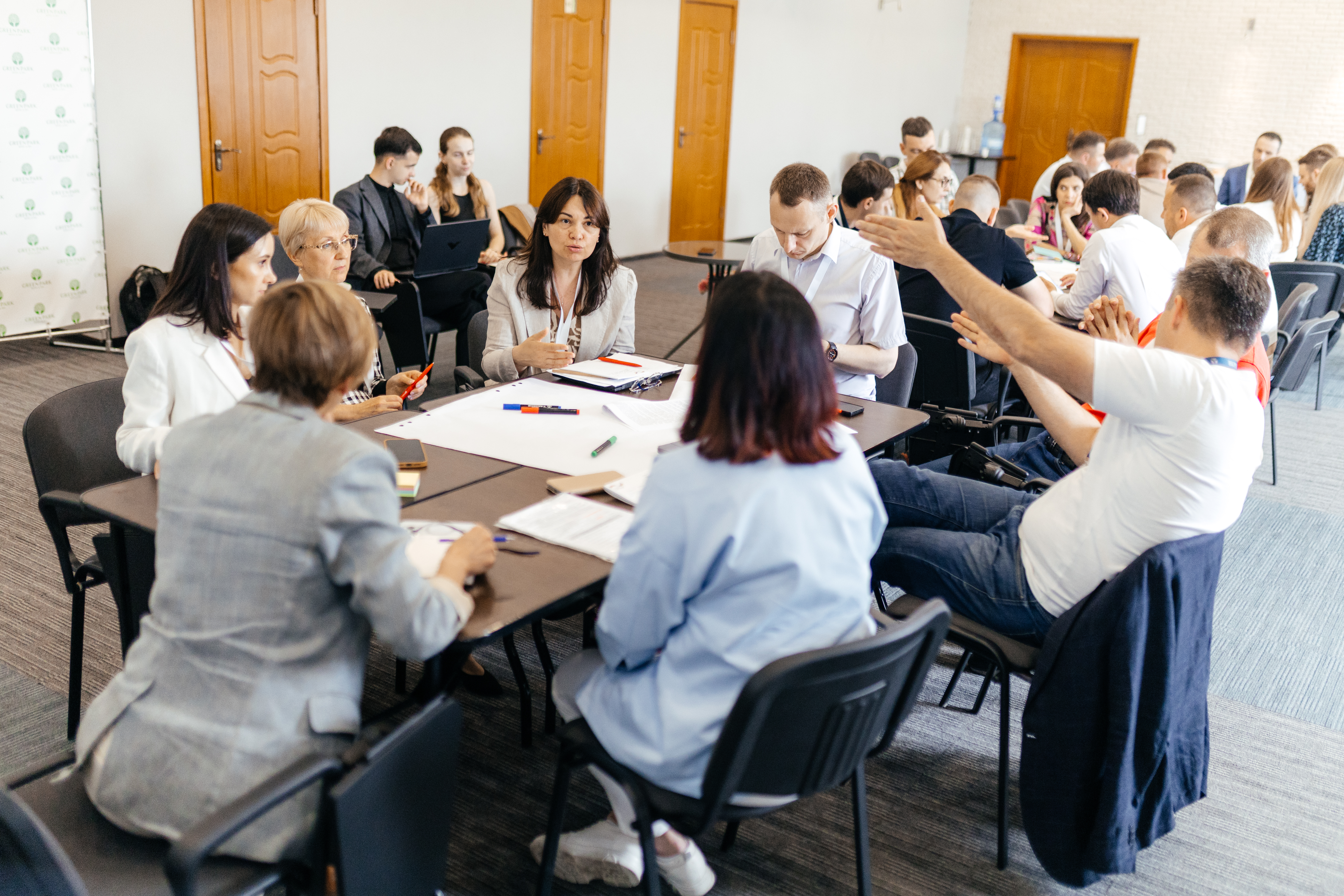
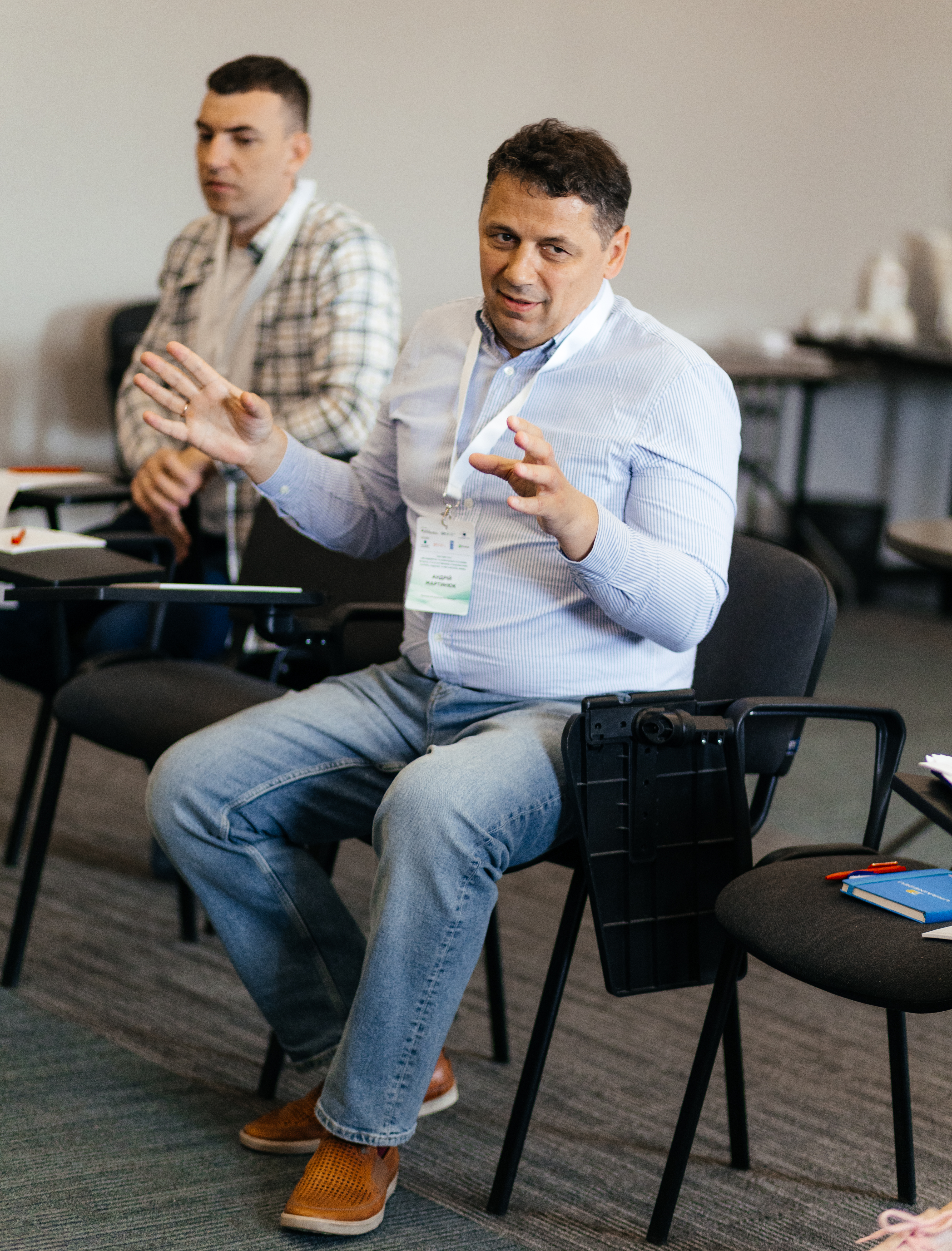
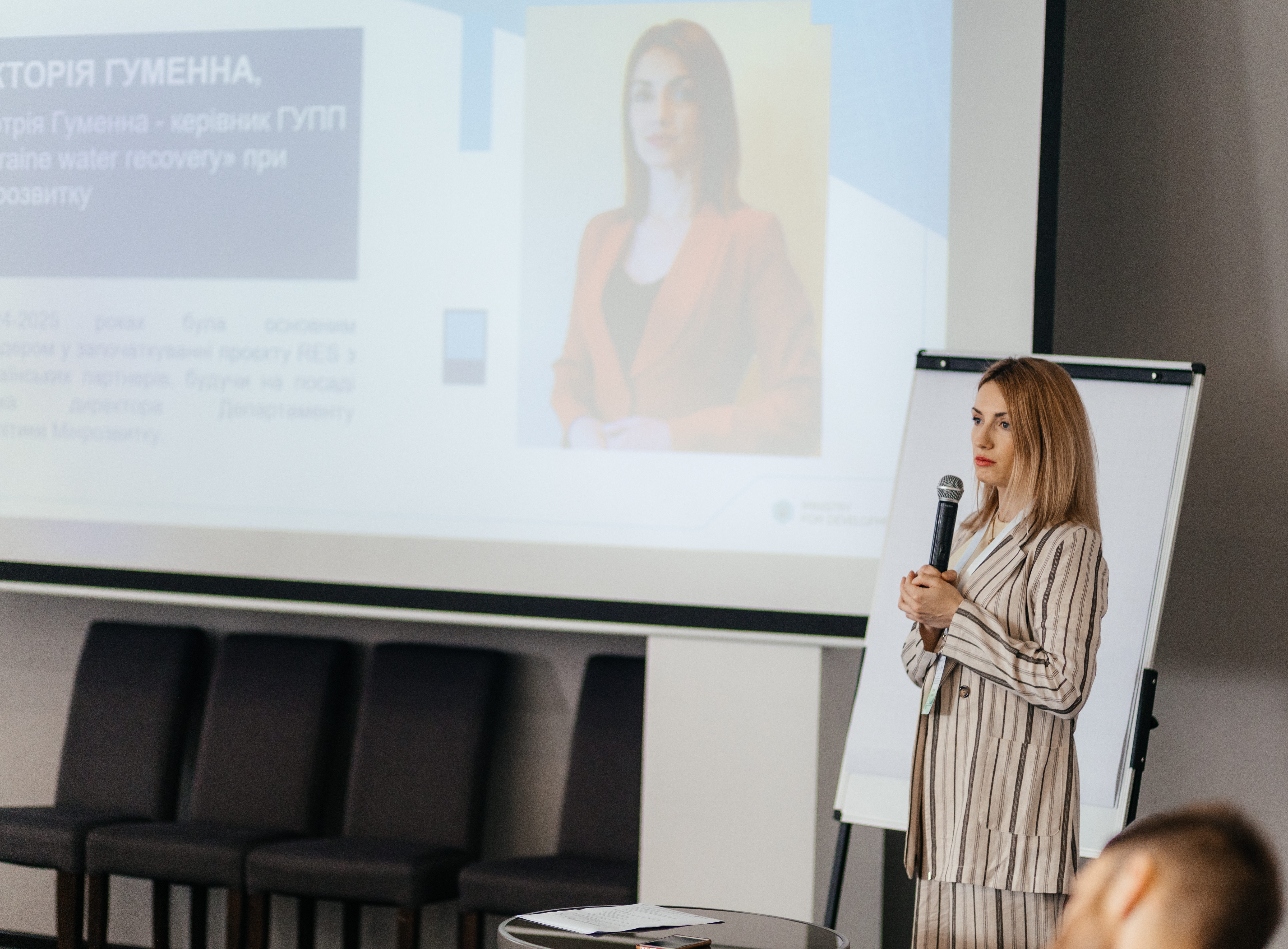
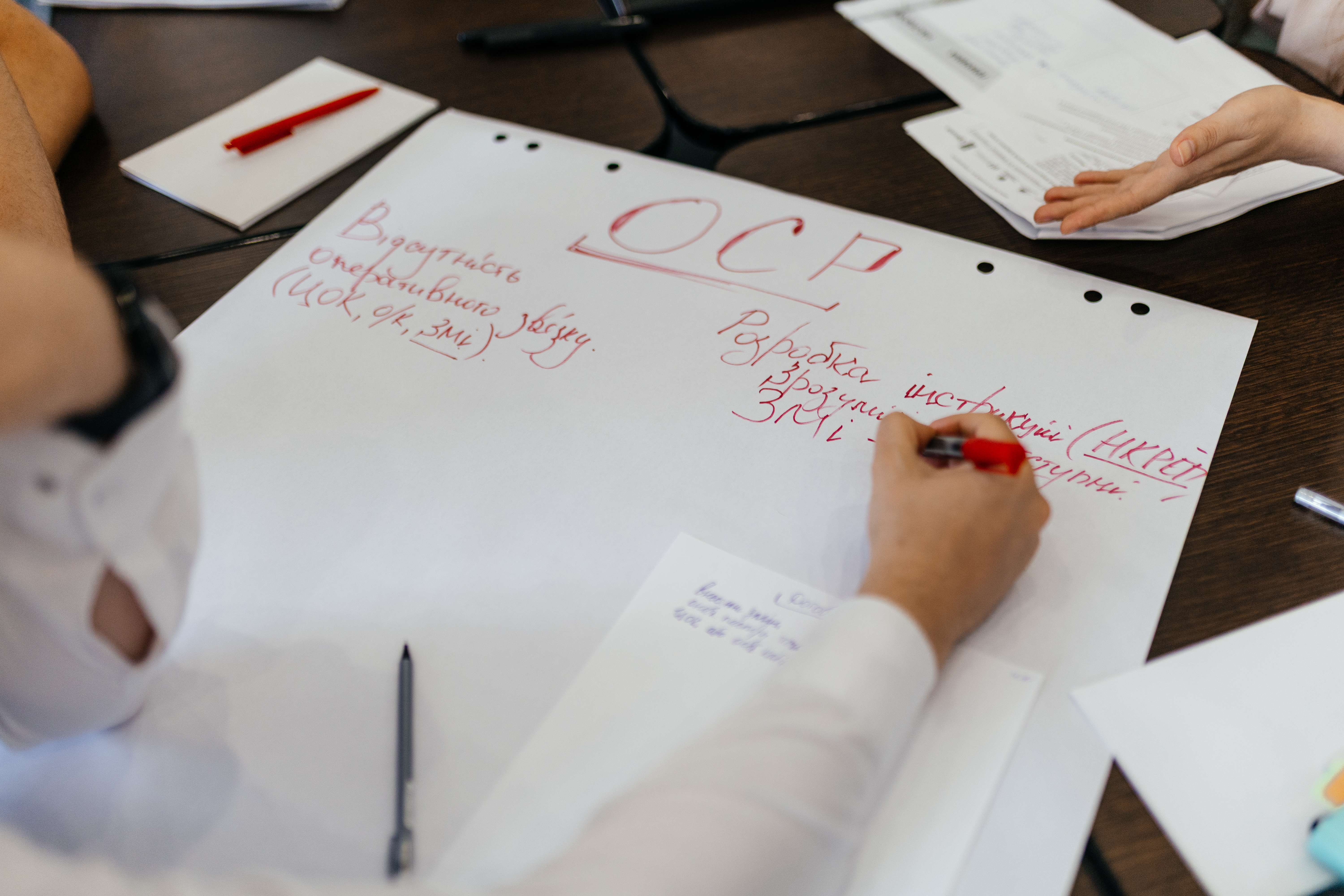
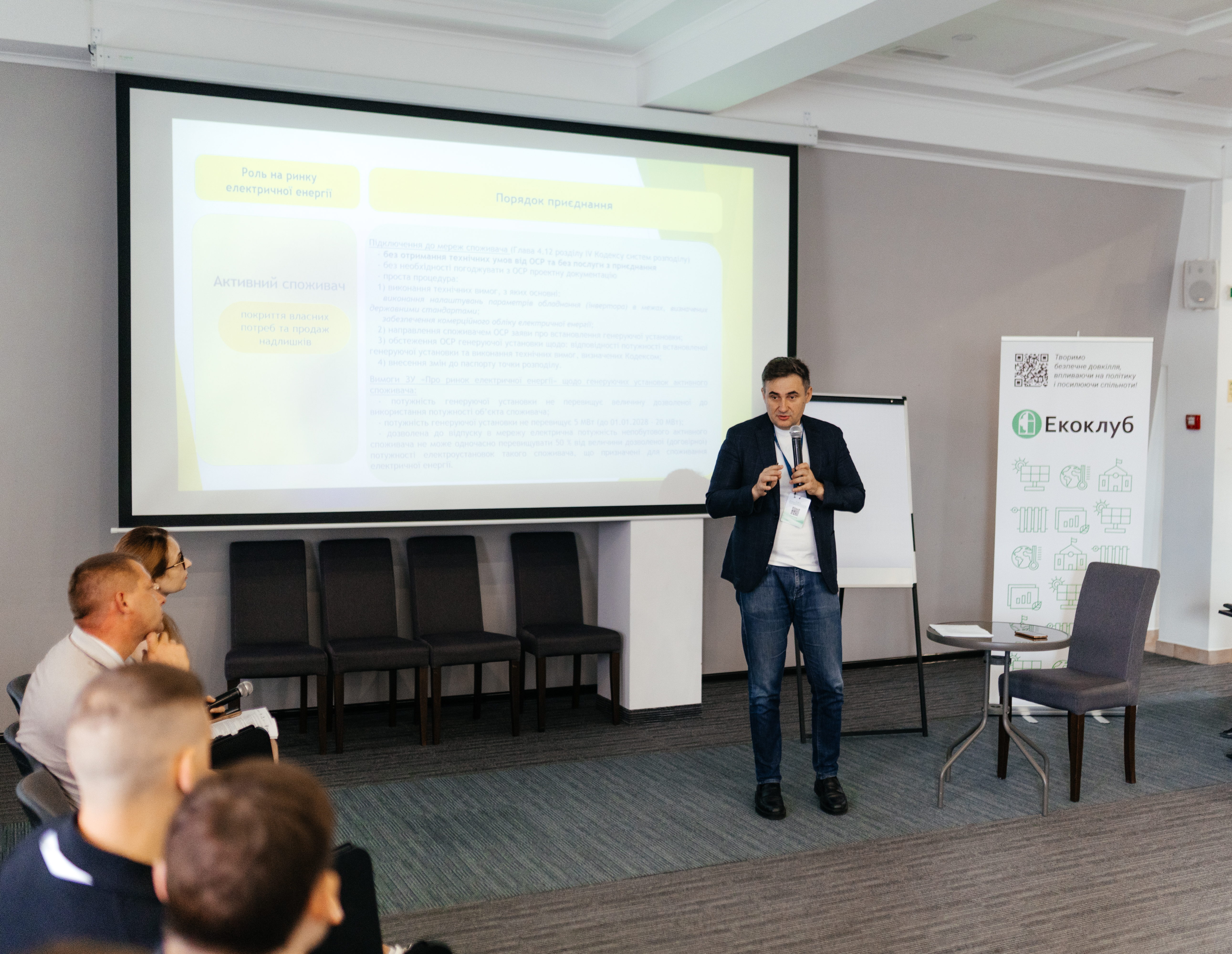
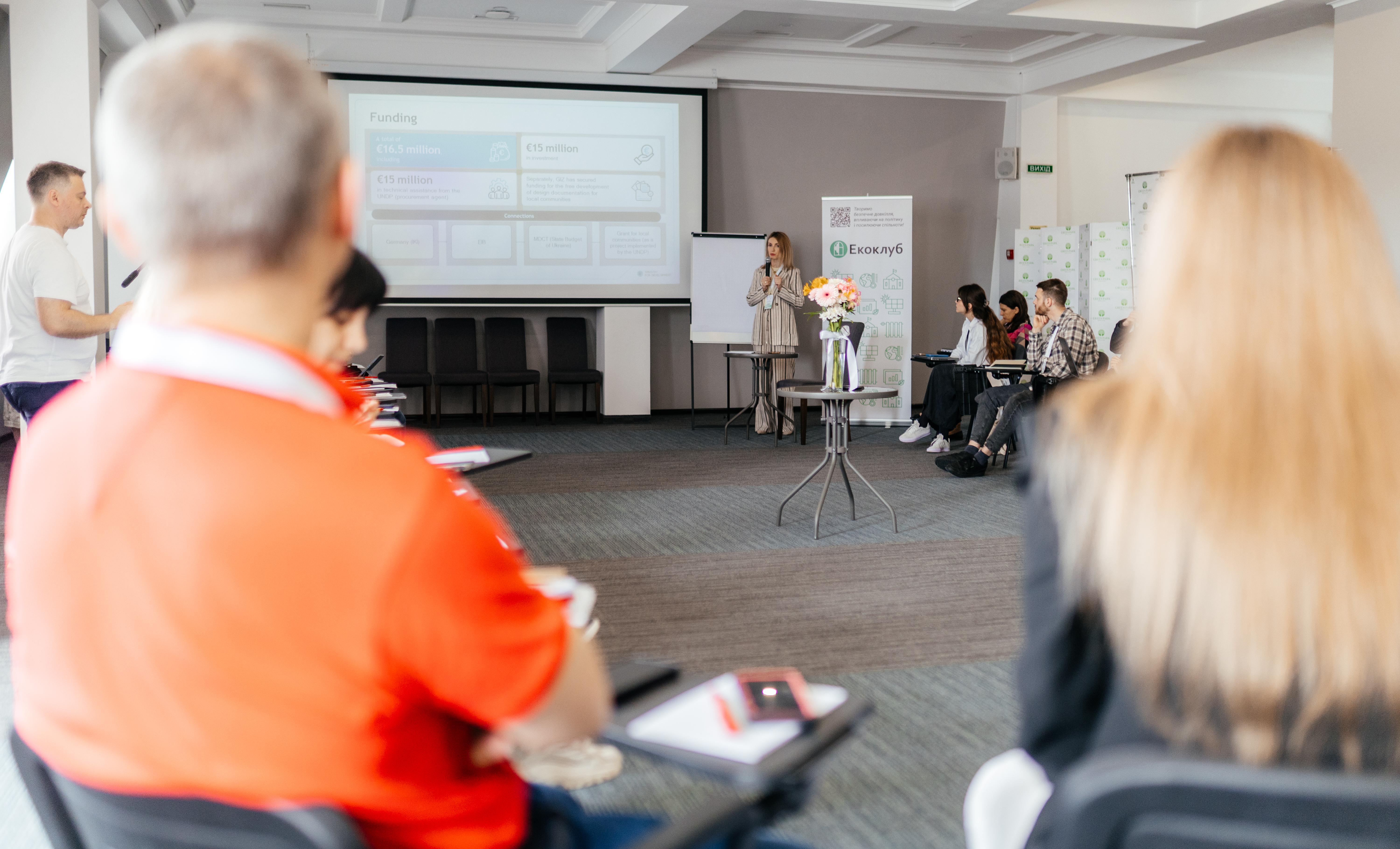
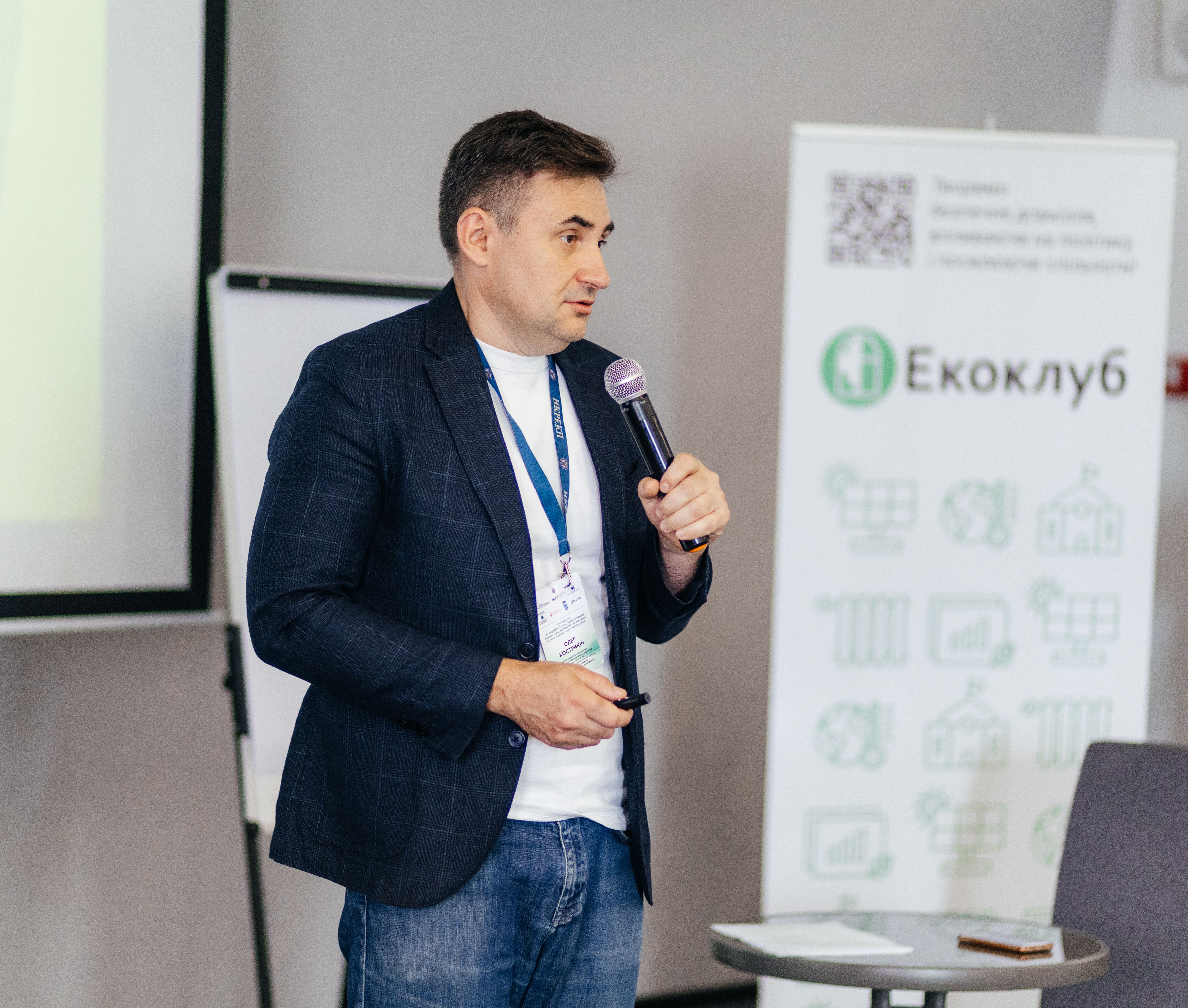
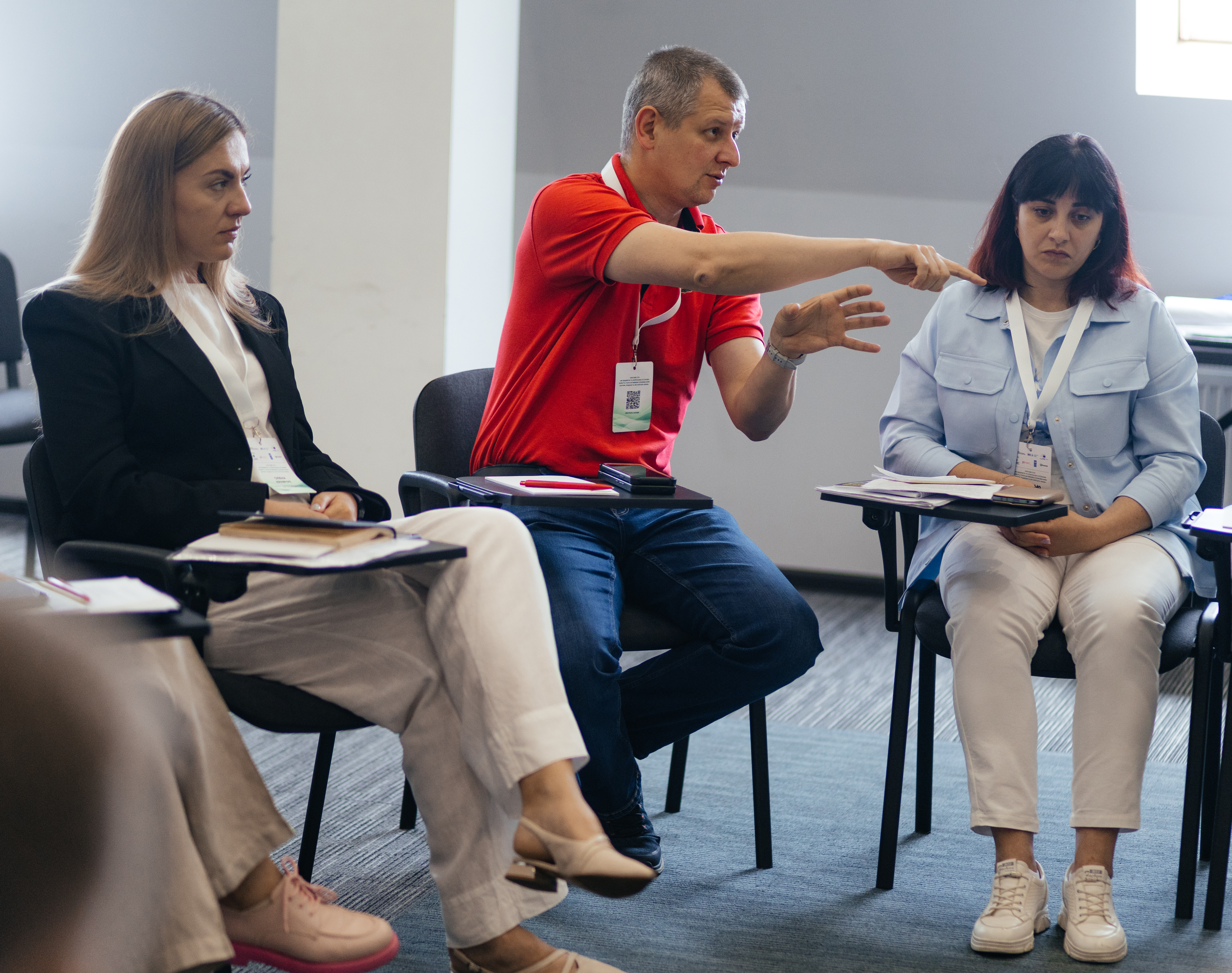
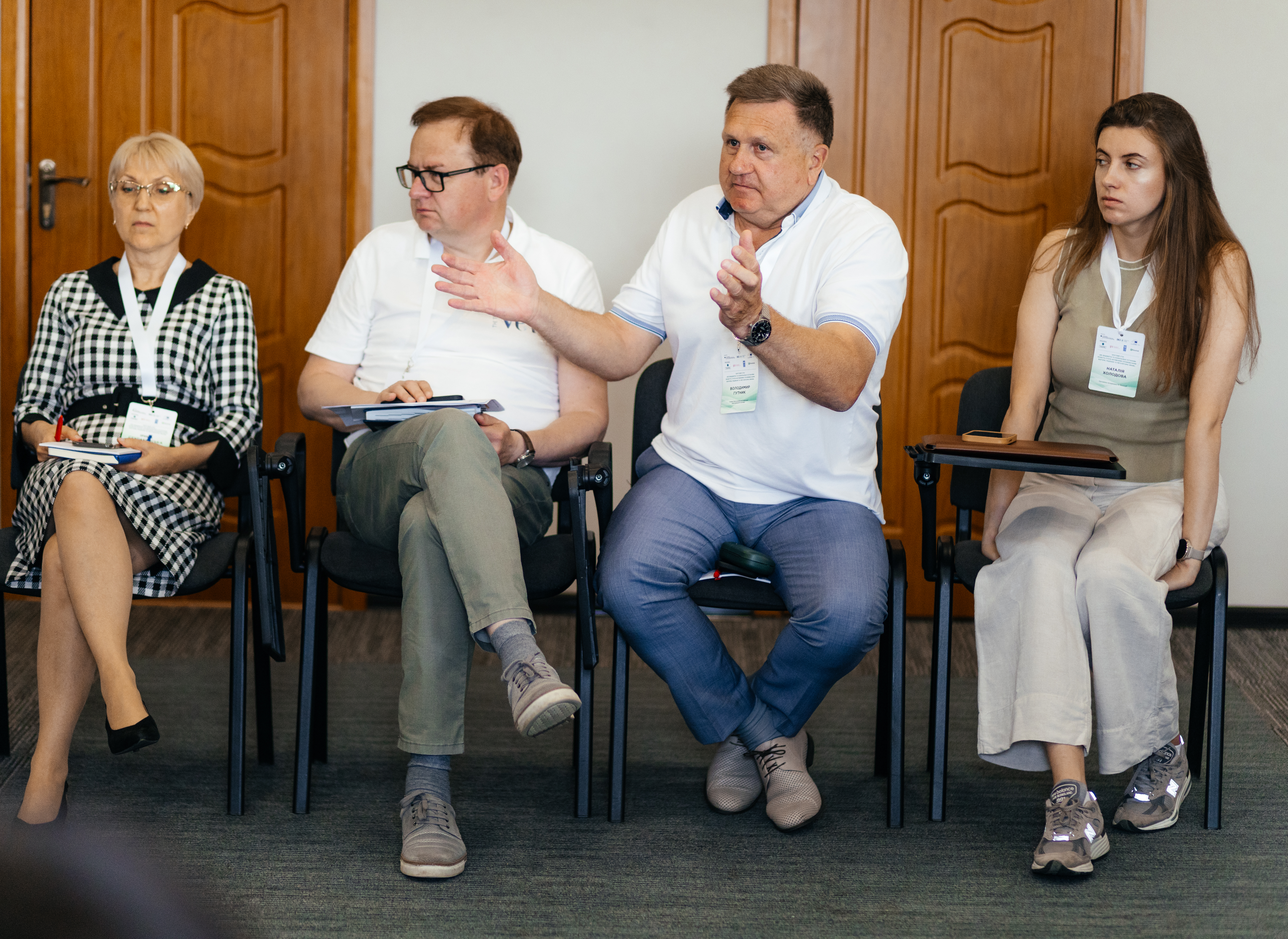
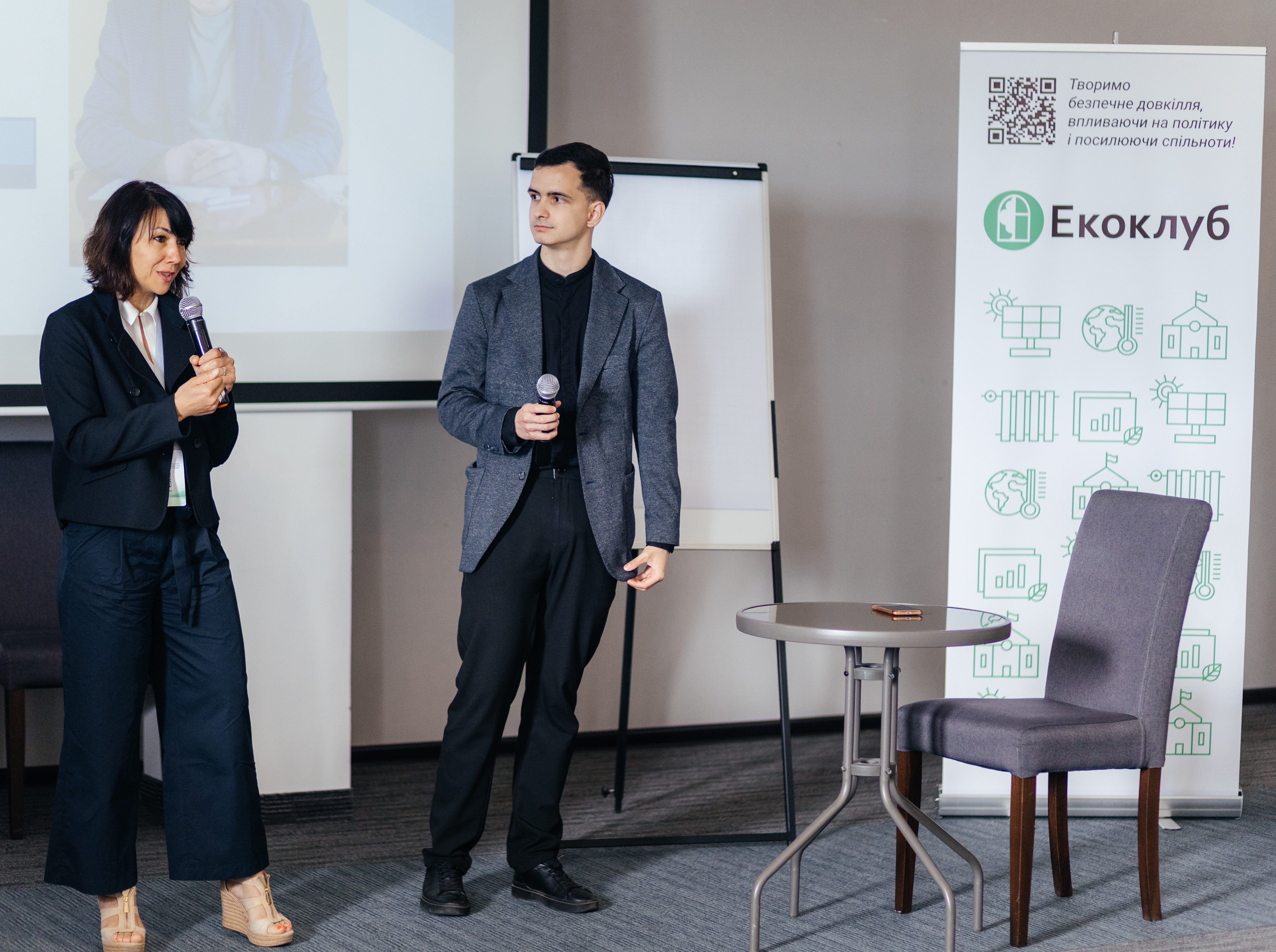
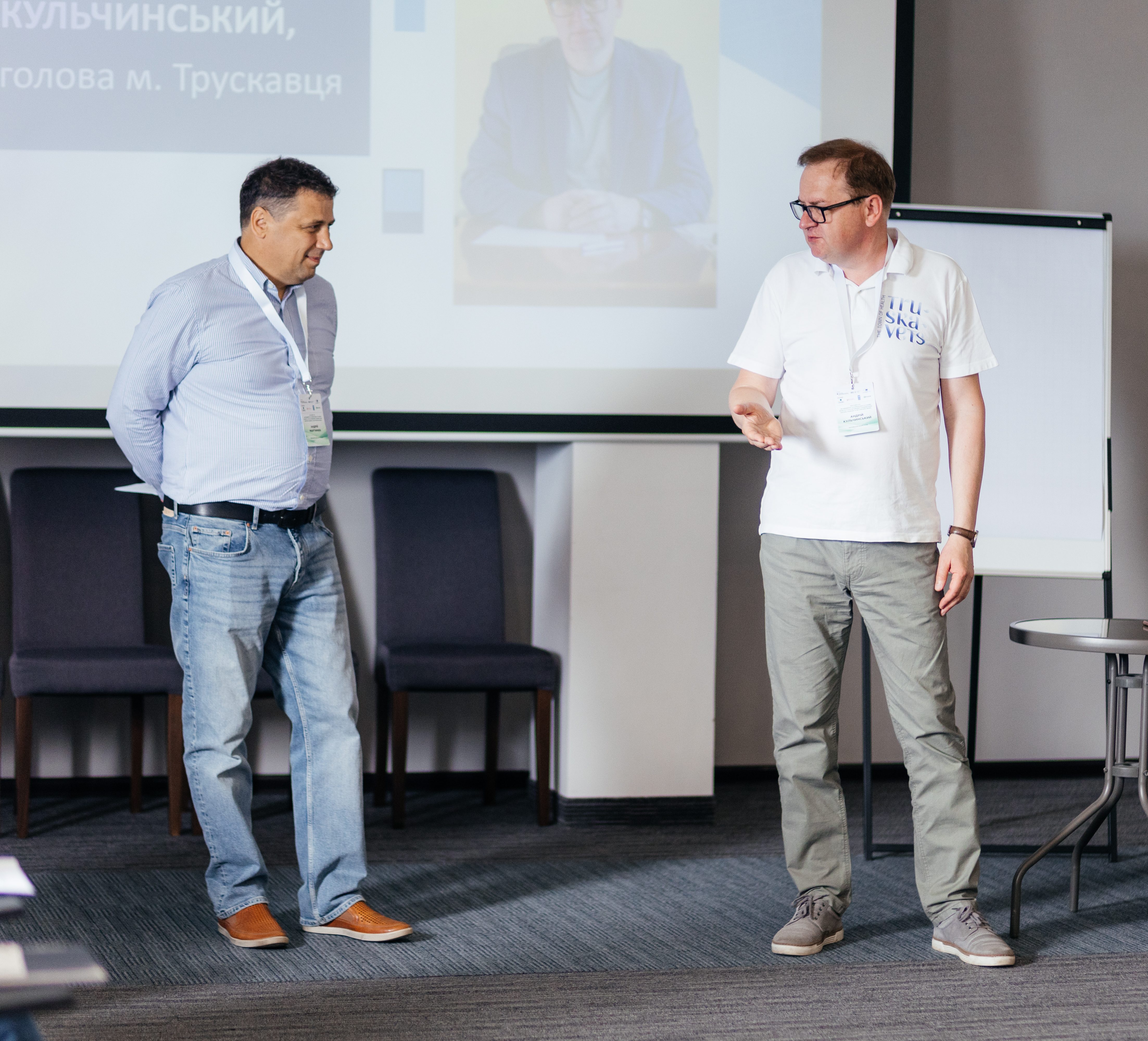
The roundtable, “How Public Institutions Can Become Prosumers: Barriers, Solutions, and Regulatory Changes,” drew 33 representatives of ministries, the NEURC, regional grid operators, municipalities, and municipal and public institutions from Lviv, Ivano-Frankivsk, Khmelnytskyi, Zhytomyr, and Zakarpattia oblasts.
The net-billing mechanism allows publicly funded and municipal institutions to install solar power plants or other renewable generating facilities, cover their own electricity needs, and feed surpluses back into the grid. For hromadas, it is one of the more effective tools for strengthening energy resilience and reducing electricity costs.
“The transition of public institutions into prosumers occurs simultaneously across several levels: legal, financial, and technical. Hromadas face a range of challenges, including differing interpretations of the legislation, a lack of clear grid-connection procedures, uncertainty regarding the treatment and settlement of surplus electricity, financial constraints, and other implementation barriers. Addressing these challenges requires close cooperation among all parties, including ministries, the NEURC, distribution system operators, local self-government bodies, and public and municipal institutions. That is exactly why we brought everyone together at one table – to discuss the challenges directly and work out agreed solutions” says Andrii Martyniuk, Executive Director of Ecoclub.
The roundtable ran as a mix of joint sessions and themed working groups, where participants worked through the key questions. Among the main topics of discussion:
- Grid connection and other technical implementation issues
- Engagement with the DSO and the electricity supplier
- Financial and tax matters
Participants identified more than 16 barriers that currently hold back the net-billing mechanism in the public sector. Most often, hromadas run into complex grid-connection procedures, opaque dealings with DSO, excessive technical requirements, financial constraints, and a shortage of hands-on experience in delivering such projects. Below is a consolidated overview of the challenges participants flagged for further work, along with the proposed ways to resolve them.
| Barriers | Solutions |
| Complex and fragmented connection procedures and permitting requirements (separate applications for generating facilities (GFs) and energy storage facilities (ESFs), construction permits, notifications, and metering for SPPs/ESFs). | Streamlining permitting procedures and unifying connection rules (simplification for SPPs up to 1 MW, separate application types for hybrid systems, unified approaches to ESFs/GFs, removal of redundant metering). |
| Opaque and drawn-out interaction with DSOs (delays, lack of feedback, weak digitalisation of procedures). | Digitalisation and transparency of DSO procedures (personal online account, standardised processes, clear instructions, greater transparency and communication). |
| High and sometimes excessive technical connection requirements (high-cost solutions, reliability requirements, redundancy). | Adapting technical requirements to the real needs of the systems (alternative redundancy instead of duplicate lines, review of excessive technical requirements). |
| Institutional and property constraints (inability to transfer municipal grids onto the DSO’s balance sheet, DSO influence over the choice of suppliers). | Strengthening regulatory oversight and DSO accountability (appeals to the NEURC and the State Energy Supervision authority, monitoring of procedural compliance). |
| Financial and organisational barriers in the public sector (procurement, statutory changes, preserving non-profit status, planning energy output, various contract types). | Unifying financial and contractual approaches across the sector (guidance on procurement, contracts, and standard solutions for suppliers and hromadas). |
| Low capacity and a lack of hands-on experience locally (shortage of expertise in hromadas, absence of implementation cases). | Building hromada capacity and launching pilots (training, technical support, creation of a support institution, pilot self-generation projects). |
The proposals developed during the roundtable will form the basis for further dialogue with the relevant ministries, the NEURC, and other market participants. Ecoclub will continue to support the development of renewable energy in hromadas and to advance the tools that help municipalities strengthen their own energy resilience.
This event was held by the NGO Ecoclub, initiated and supported by the Deutsche Gesellschaft für Internationale Zusammenarbeit (GIZ) GmbH within the Renewable Energy Solutions (RES) programme.The RES programme is implemented by Deutsche Gesellschaft für Internationale Zusammenarbeit (GIZ) GmbH in cooperation with the United Nations Development Programme (UNDP), funded by the German Federal Ministry for the Environment, Climate Action, Nature Conservation and Nuclear Safety under the International Climate Initiative (IKI) and managed by the European Investment Bank (EIB).
RES supports Ukraine’s transition to energy independence and resilience while contributing to decarbonisation and the achievement of European integration goals.
If you have been (potentially) negatively affected by an IKI project, or you wish to report the misuse of IKI funds, you can submit a complaint through the IKI Independent Complaint Mechanism (ICM).