Solar Power Plant Goes Online at Lviv’s “Eye Microsurgery” Center
22.06.2026
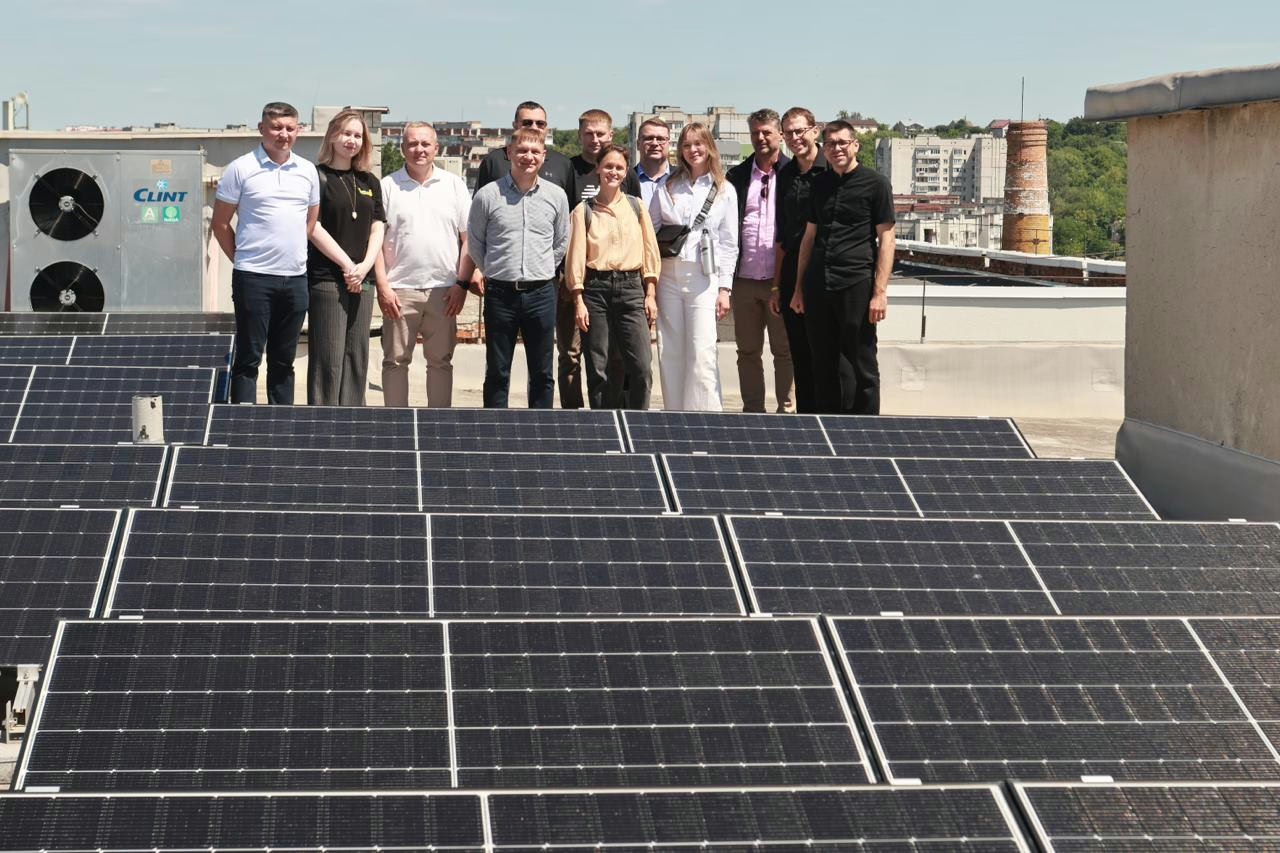
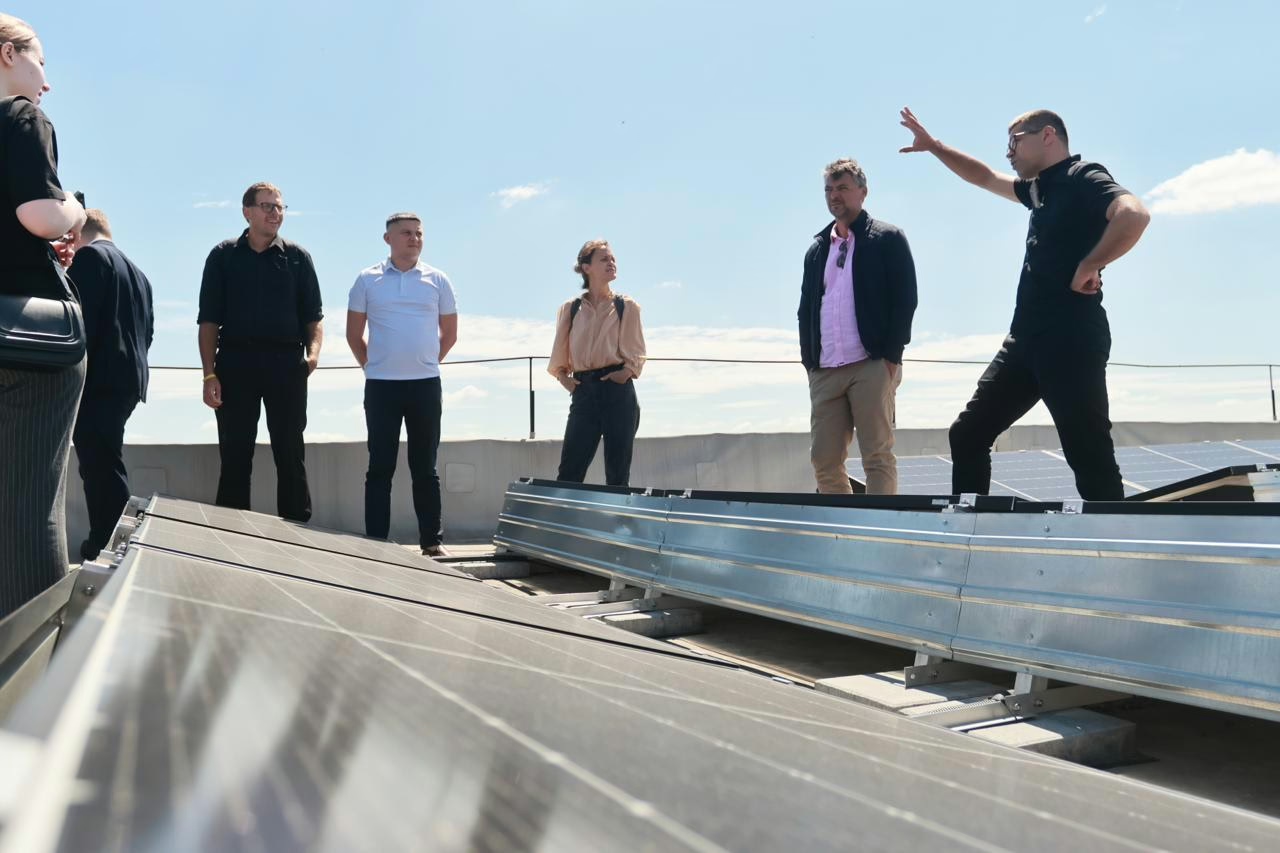
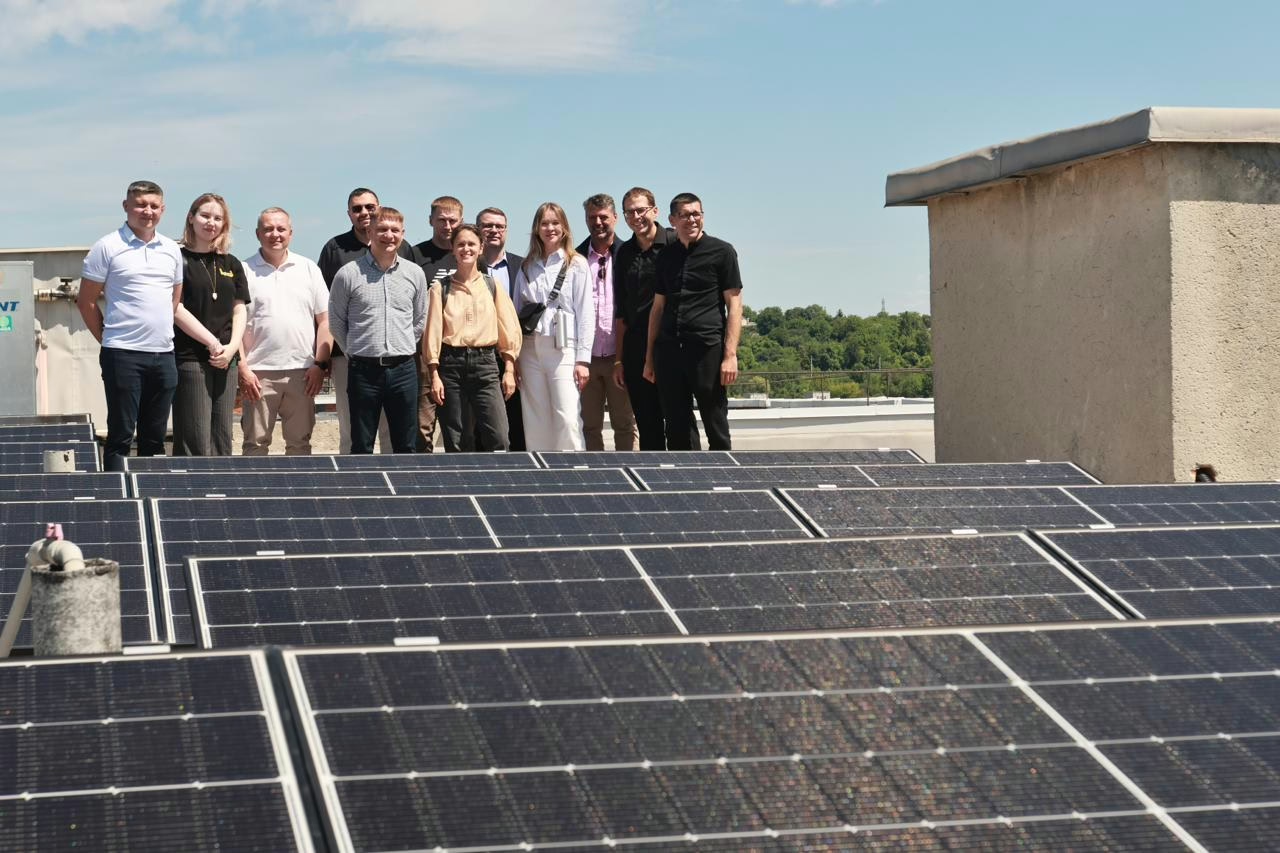
The Lviv City Medical Center “Eye Microsurgery” has received its own solar power plant. One of the leading ophthalmology centers in western Ukraine can now generate part of its own electricity from renewable sources and strengthen its operational resilience amid energy challenges.
The solar power plant was installed by the NGO Ecoclub together with the Czech non-governmental organization NESEHNUTÍ as part of a project to support Ukrainian communities and critical infrastructure. The new energy solution will help the facility keep running more reliably during power outages and reduce its electricity costs.
Since the start of the full-scale war, the Czech organization NESEHNUTÍ has supported Ukrainian communities and implemented projects to strengthen the resilience of critical infrastructure. Together with the NGO Ecoclub, the organization helps attract funding and coordinates the installation of solar power plants at medical, educational, and other socially important facilities in Ukraine.
The “Eye Microsurgery” Center is part of St. Luke’s Hospital of the Municipal Non-Profit Enterprise “1st Territorial Medical Association of the City of Lviv” and provides emergency and scheduled ophthalmological care to patients from Lviv, the Lviv region, and other regions of Ukraine. In 2025, more than 3,900 patients were treated here and more than 3,200 surgeries were performed.
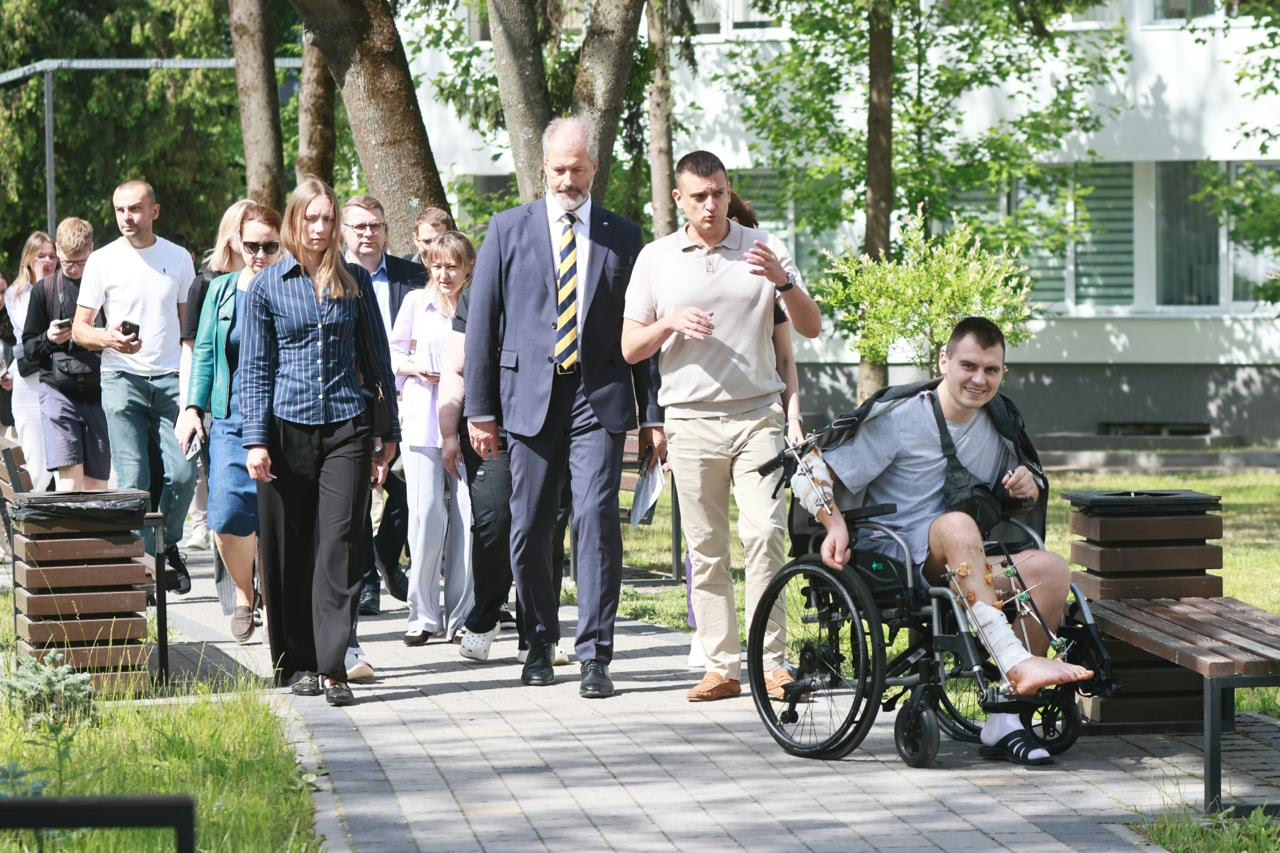
The center places special emphasis on care for military personnel. During 2025, 74 service members were treated here, requiring both surgical and specialized conservative treatment. An uninterrupted electricity supply is critically important for the operation of modern ophthalmological equipment, for conducting diagnostics, surgeries, and post-operative patient care. This is precisely why the facility’s own electricity generation goes beyond cost savings: it guarantees the uninterrupted provision of medical care, including to Ukraine’s defenders.
“For Ecoclub, it is important that communities have access to reliable energy sources, especially when it comes to hospitals and other critical infrastructure facilities. When a medical facility receives its own solar power plant, it means more confidence for patients and their families, because critically important equipment can keep working even during power outages.
It is especially valuable that such changes become possible through cooperation among communities, civil society organizations, and international partners, who jointly invest in people’s safety and the resilience of Ukrainian communities. What is particularly encouraging is that the Lviv community works systematically to strengthen energy resilience and is open to cooperation with international partners and civil society organizations. It is precisely this readiness to seek solutions together that makes it possible to implement projects that deliver practical results for residents and critically important facilities,” says Dmytro Sakaliuk, expert at the NGO Ecoclub.
“For Lviv, projects to install solar power plants at hospitals, schools, and other municipal facilities are first and foremost about the community’s resilience under wartime conditions. We remember all too well the periods of massive attacks on energy infrastructure and prolonged blackouts. This is precisely why having an independent energy source for a hospital or school is now a matter of safety and uninterrupted operation.
We are sincerely grateful to Czech donors and to our partners for supporting this project at St. Luke’s Hospital and at St. Nicholas Children’s Hospital. For medical facilities, this means additional confidence that, even under difficult conditions, the hospital will be able to continue providing care to patients. For the city, it is one more step toward greater energy independence and resilience.
Such projects are an example of genuine solidarity that helps Ukrainian communities stay strong and keep functioning even in the most difficult times,” says Iryna Kulynych, Deputy Mayor of Lviv for Humanitarian Affairs, says Iryna Kulynych, Deputy Mayor of Lviv for Humanitarian Affairs.
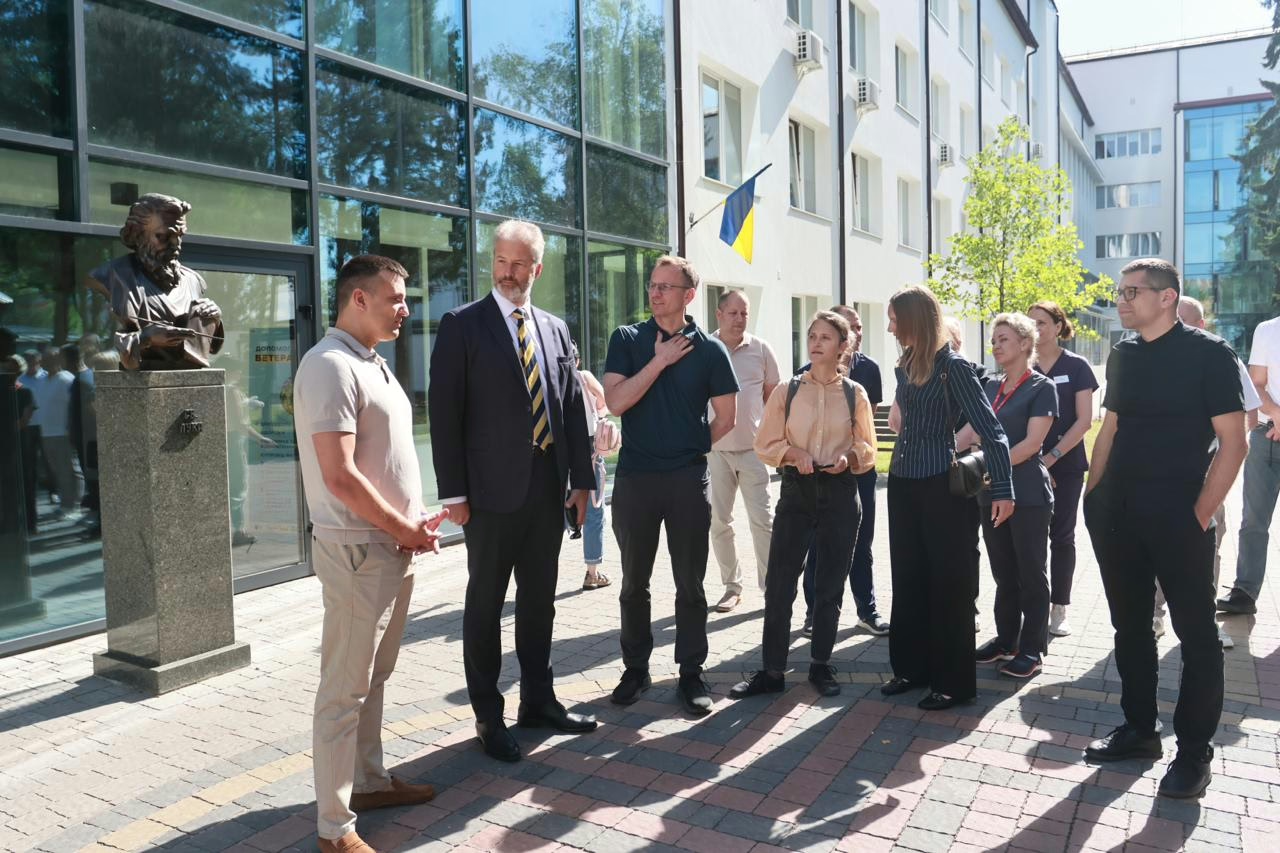
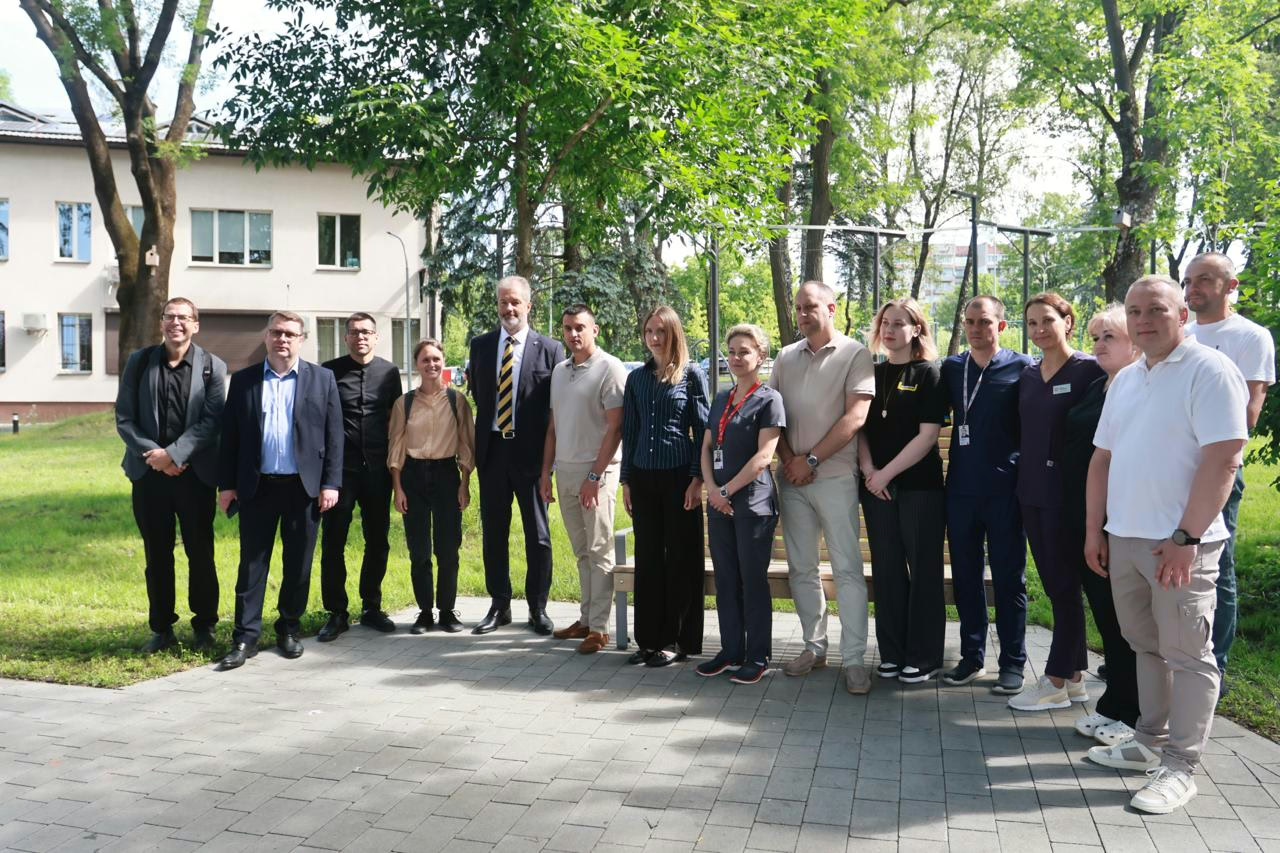
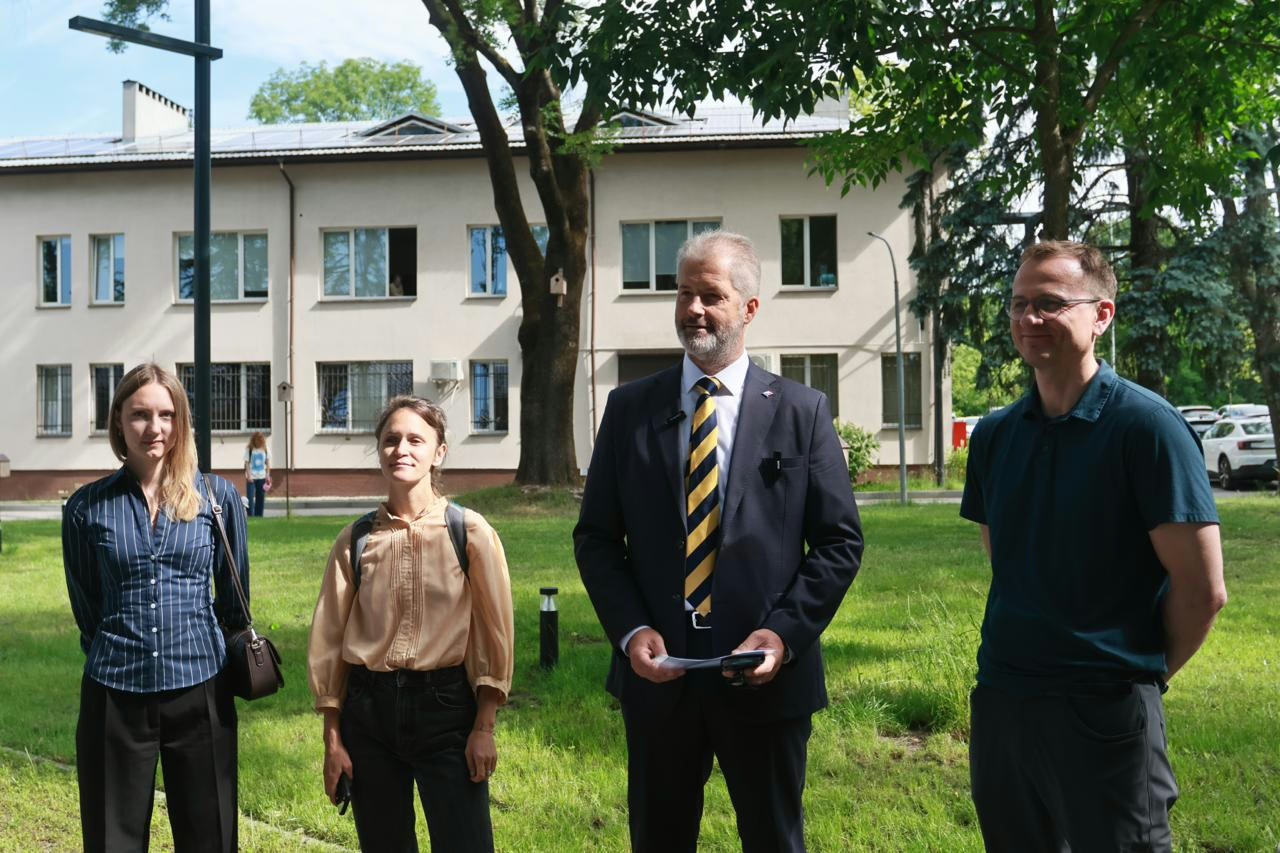
Jiří Borchel, Consul General of the Czech Republic in Lviv, attended the opening of the solar power plant: “Recently, our assistance has focused primarily on the energy sector and healthcare. The winter months were very difficult for Ukrainians due to Russia’s intense attacks on energy infrastructure. I am deeply grateful to the Czech public, who made a record-breaking contribution in early 2026, enabling part of the Ukrainian population to get through the harsh winter. I wish the doctors and patients peaceful work using this solar power plant.”
“It is wonderful to see with our own eyes how solar energy can help hundreds of patients and, above all, the hospital staff to function even during power outages. We are especially thrilled to be opening the second solar power plant in the city to be supported by Czech donors. Since the UNBROKEN hospital complex consists of a number of pavilions, we plan to help other buildings achieve energy independence as well. This is what Ukrainian hospitals need most right now,” comments Alžběta Kofránková, coordinator of the Sun for Ukraine initiative.
Lviv has already had success in deploying solar generation at social and critical infrastructure facilities. Together with the NGO Ecoclub and international partners, five solar power plants have been installed in the city – at St. Nicholas Children’s Hospital, St. Luke’s Hospital, the Lviv Diagnostic Center “Sykhiv,” and the “Oriyana” Lyceum. The new solar power plant at the “Eye Microsurgery” Center is the sixth and has strengthened the energy resilience of one of the region’s key medical facilities.
The plant was commissioned on 23 February 2026. In its first months of operation, it has already generated more than 4,000 kWh of electricity, saving the facility more than UAH 43,000 on its electricity bill. The hospital directs the saved funds toward the purchase of medicines and medical products for patients.
The facility was selected together with the project partners. One of the key factors was the community’s interest in developing energy resilience and its prior cooperation with Ecoclub. The facility’s significance for the region’s healthcare system also weighed in the decision.
For reference
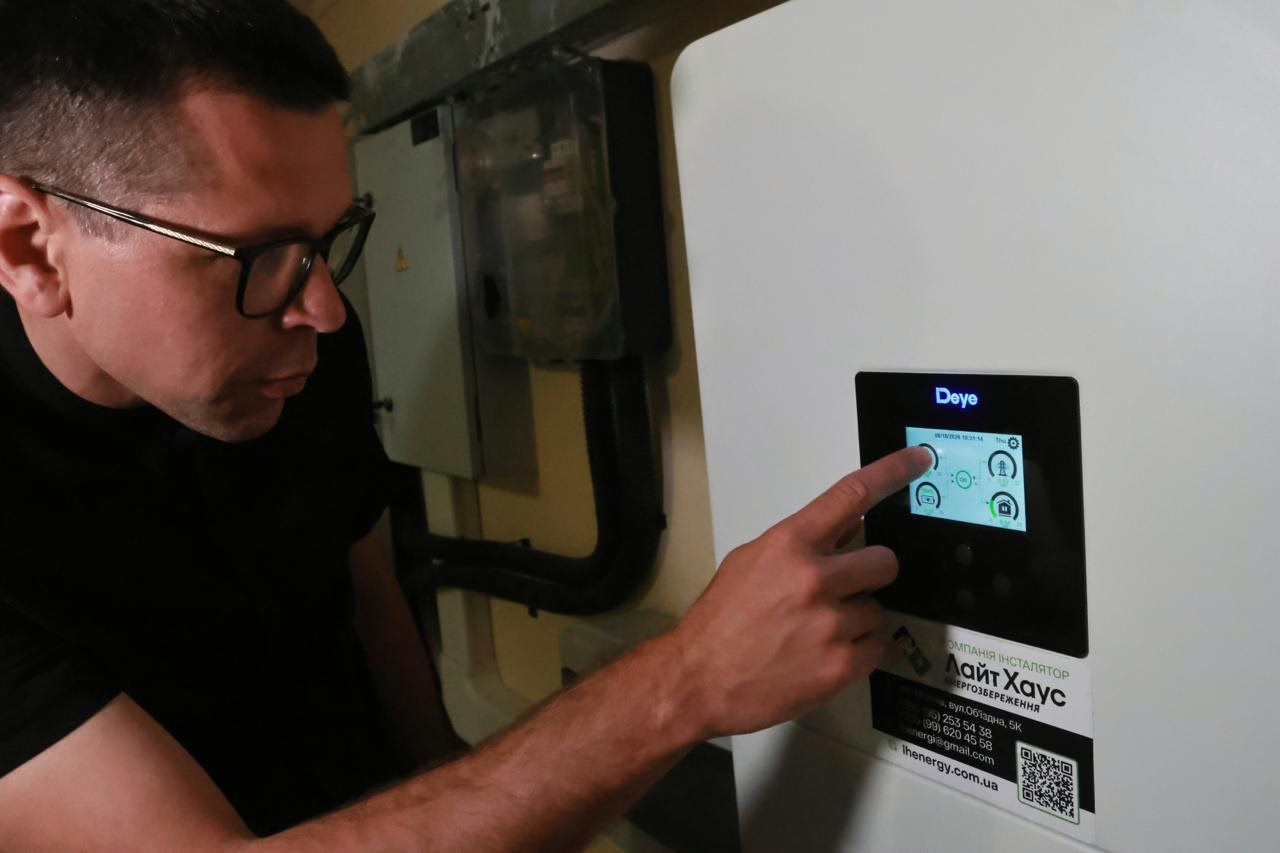
Solar power plant capacity by hybrid inverter – 20 kW.
Photovoltaic array capacity – 18.72 kWp.
Battery storage capacity – 20.48 kWh.
Number of photovoltaic modules – 30.
Share of the facility’s needs covered – approximately 55%.
The solar power plant was commissioned on 23 February 2026.