












While district heating (DH) in Ukraine is widely dismissed as an outdated, inefficient Soviet legacy, many European cities are doing the exact opposite: upgrading these systems and positioning them as the bedrock of their urban energy future.
Across Europe, DH systems are not being torn down; they are being modernised into the backbone of future urban energy supply. European heating networks are gradually shifting away from coal and gas toward a dynamic mix of energy sources. The rationale is straightforward: in densely populated cities, district heating provides the fastest, most cost–effective pathway to modern heat sources – far outpacing the alternative of replacing thousands of individual boilers in every single building.
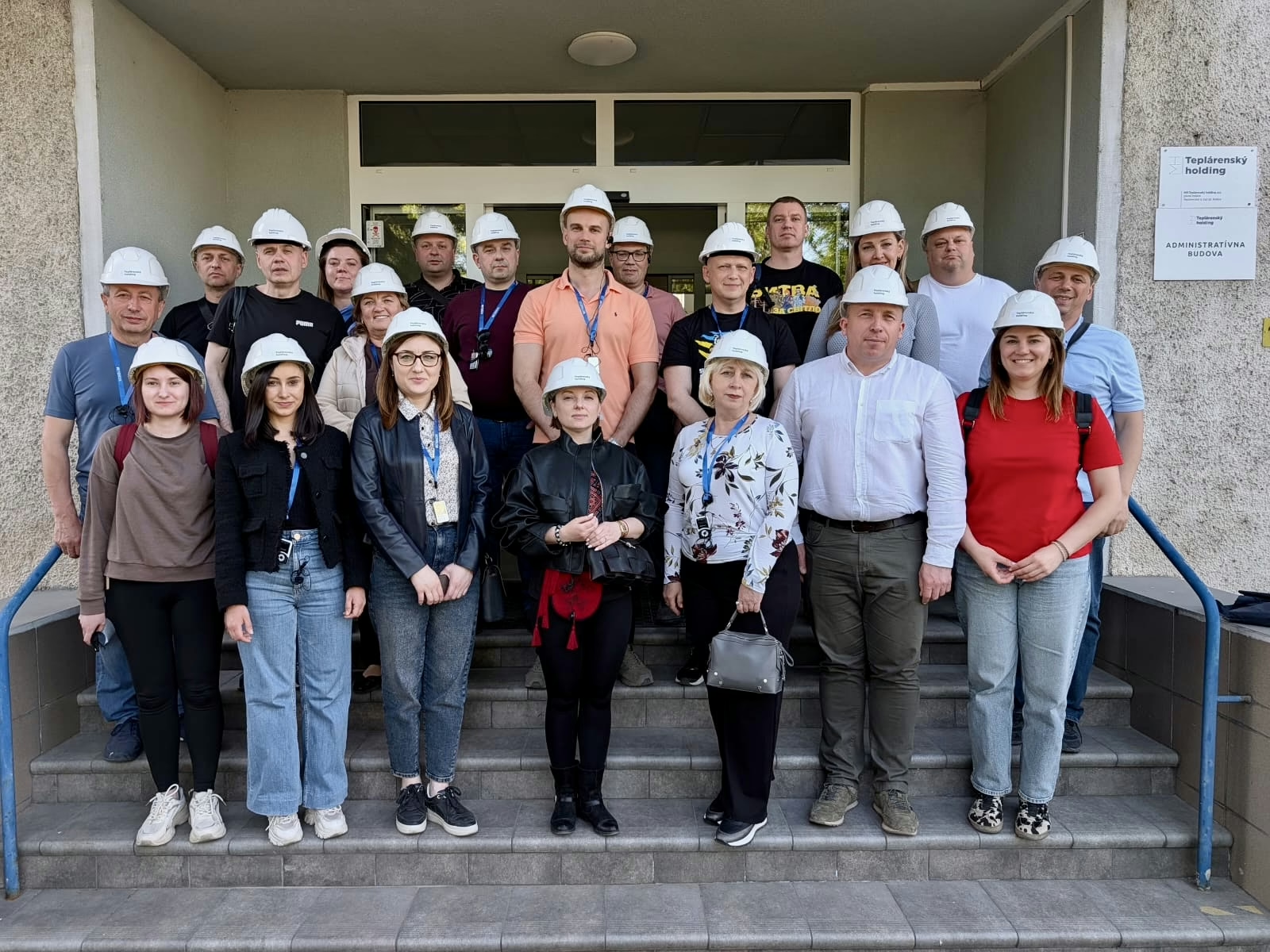
This is precisely why Ecoclub organised a study tour to Slovakia, Czechia, and Austria for representatives of district heating utilities, hromadas, state institutions, and journalists. The tour aimed to explore how European cities are modernising their heating infrastructure, which technologies they deploy, how decisions are made, and what aspects of this experience can be practically applied in Ukraine.
Participants toured five distinct sites, ranging from large–scale district heating networks in Košice and Brno to tailored solutions for smaller towns like Partizánske and Prievidza. The focus centered on heat pumps, geothermal energy, cogeneration, thermal storage, solar energy, and network grid modernization.
Who Joined the Study Tour
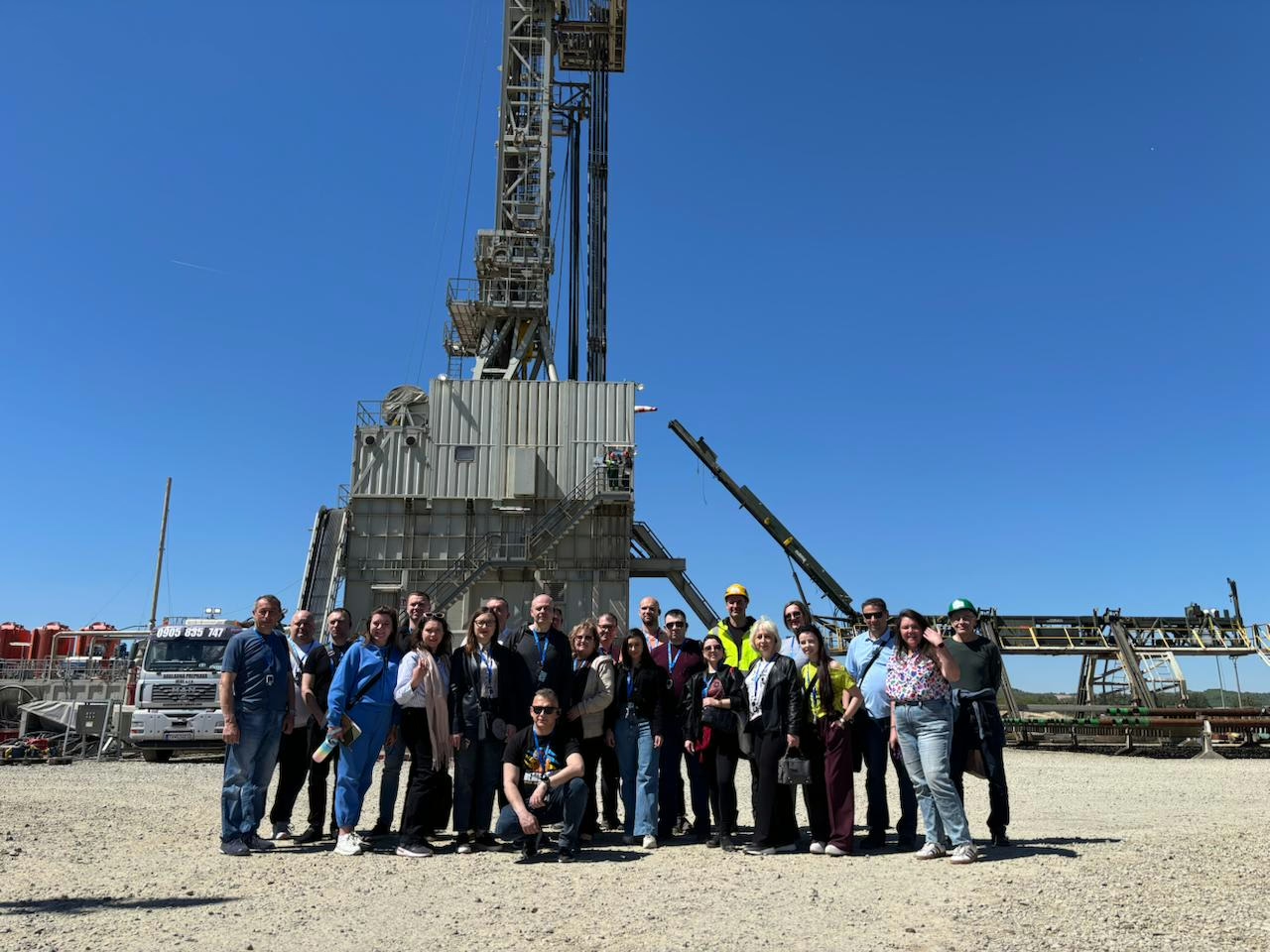
The study tour brought together key stakeholders from various sectors with a stake in Ukraine’s district heating industry. Attendees included district heating utility representatives, heads of hromadas, officials from the Energy Efficiency Fund and other state institutions, alongside journalists.
Notable participants included Nataliia Kravchenko, Head of the Department for the Economy of Life–Support Systems at the Ministry for Development of Ukraine, and Ruslan Ovcharenko, Director of the Department for the Regulation of Relations in the Spheres of Heat Supply and Energy Efficiency in the Energy and Utilities Sectors.
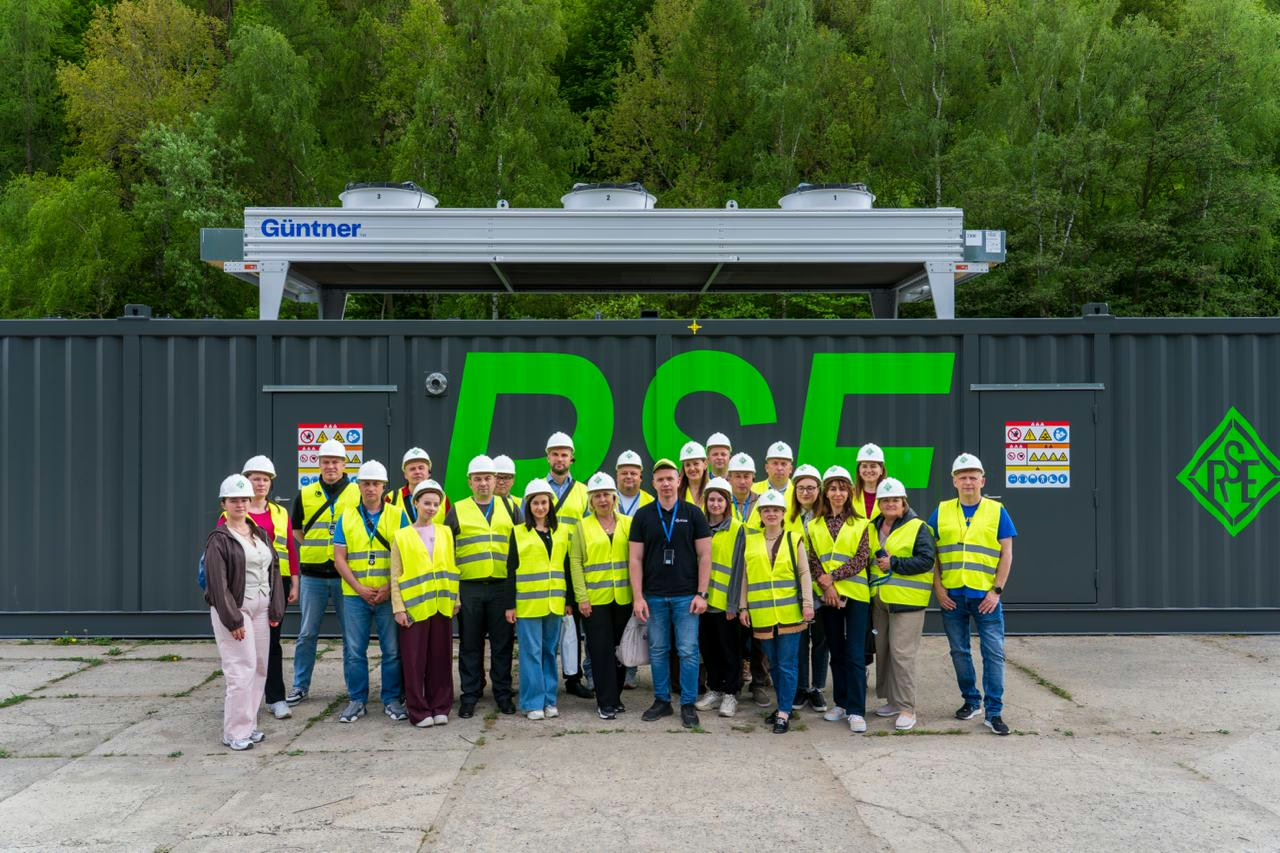
This diverse composition was crucial for tackling the promising directions of district heating modernisation from a wider perspective – addressing not just technology, but regulatory frameworks, tariff structures, state policy, and hromada–level capacity. The inclusion of journalists would help to drive a broader public conversation about Ukraine’s heating sector reform, illustrating why upgrading DH networks and embracing climate–neutral solutions is so important for the energy security of local communities.
For Ukraine, this matters immensely right now, amidst the ongoing war, constant attacks on energy infrastructure, and the looming challenges of post–war reconstruction.
Heat Pumps and Geothermal Energy: Heat Already Powering Europe
One of the focal points of the study tour was heat pumps and geothermal energy – technologies that are currently being actively integrated into European urban district heating.
Unlike a conventional boiler, a geothermal heat pump does not burn gas or fossil fuels to generate heat. Instead, it extracts ambient heat already present in the ground, water, or air, and channels it into the heating system. While this process requires electricity, the vast majority of the thermal energy is drawn directly from the environment. Under optimal conditions, a single unit of electricity can yield 3 to 5 units of heat, making heat pumps one of the most vital tools available for breaking the dependency on gas.
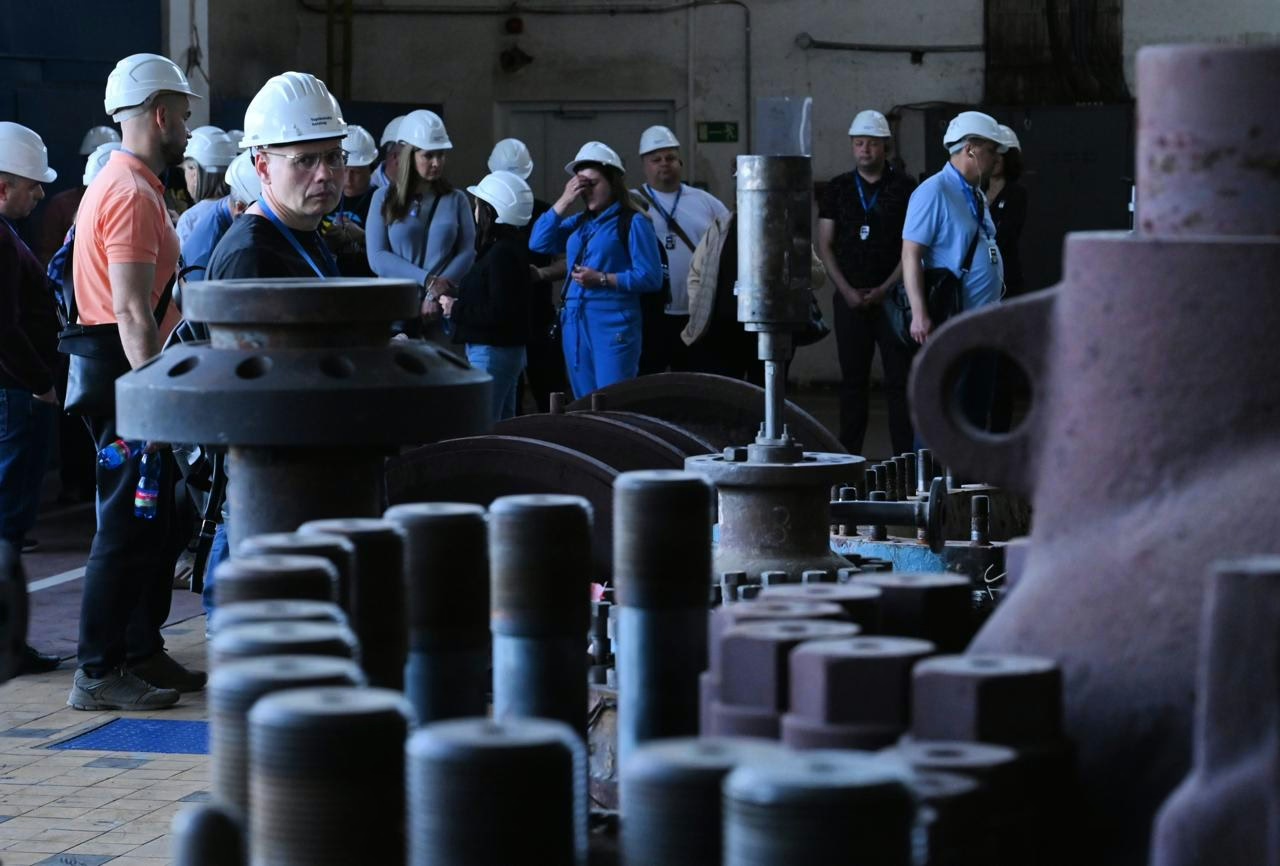
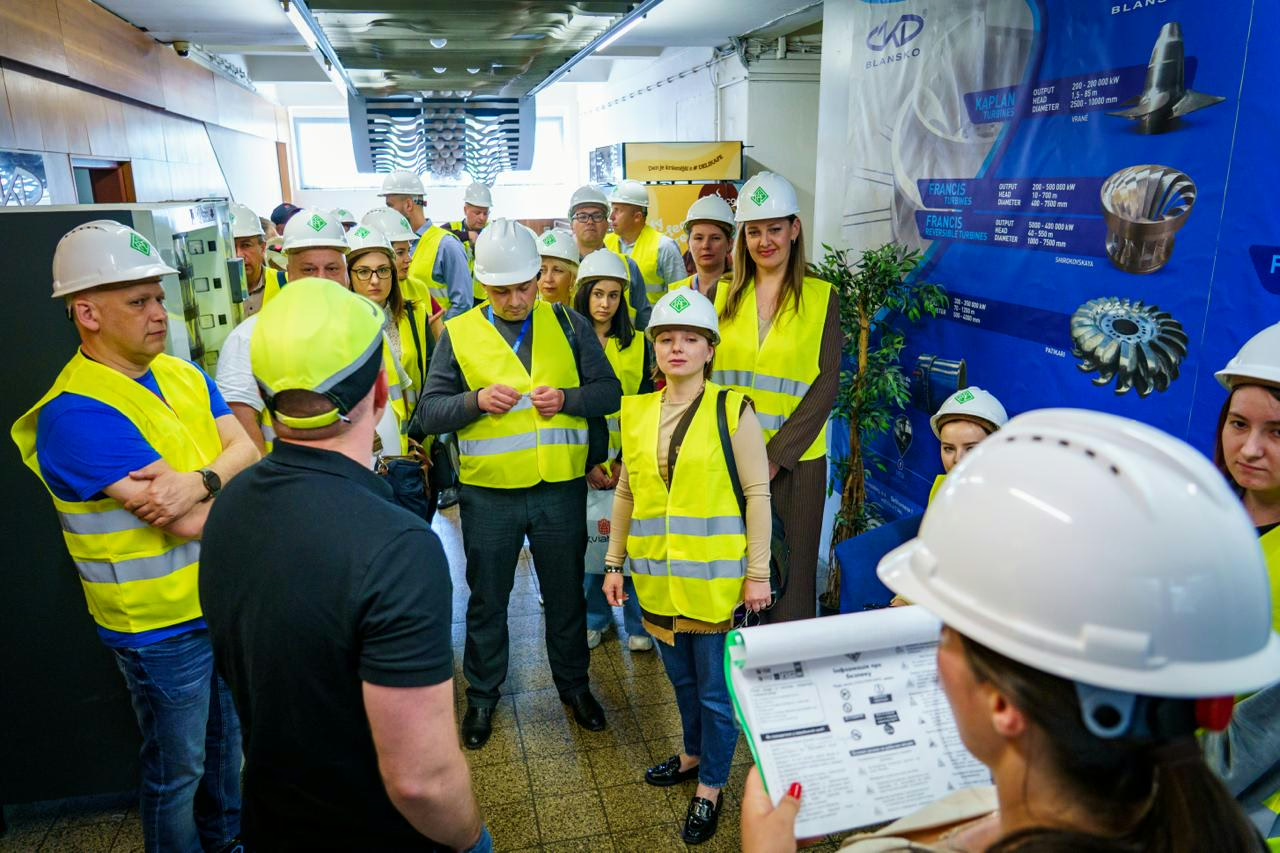
During the tour, participants examined various real–world applications of these technologies. In Vienna, heat pumps and geothermal probes are being deployed in buildings as part of a phased gas exit. In Prievidza, a newly designed heating infrastructure – built after the city abandoned its coal–based heat source – blends heat pumps, solar collectors, biomass, and cogeneration.
Other significant examples were the geothermal projects in Košice. There, the municipality is working to integrate geothermal heat directly into the citywide network. A single geothermal well carries a price tag of roughly EUR 8 million, but the finished geothermal facility is projected to supply heat to nearly a quarter of the city in the long term.
For Ukraine, this represents a highly promising avenue, especially given the availability of mines, boreholes, and other legacy infrastructure that could be tapped for heat production. However, scaling this sector is hindered not only by steep drilling costs but also by tangled regulatory red tape. For instance, last year Ecoclub drafted a feasibility study for installing geothermal heat pumps in the city of Khmelnytskyi. During the project’s preparation, it became clear that the cost of subsoil and groundwater use alone exceeded the actual cost of project implementation – revealing the primary regulatory bottleneck choking such solutions in Ukraine. We have submitted our formal comments and legislative proposals and are currently awaiting a resolution to this regulatory issue.
Concurrently, drawing heat from old mines could offer a much smoother path for hromadas, as it sidesteps the need for fresh drilling and complex permitting. This allows local authorities to leverage existing infrastructure, launching projects faster and on a much tighter budget.
Thermal Storage: How to “Store” Energy for Cities
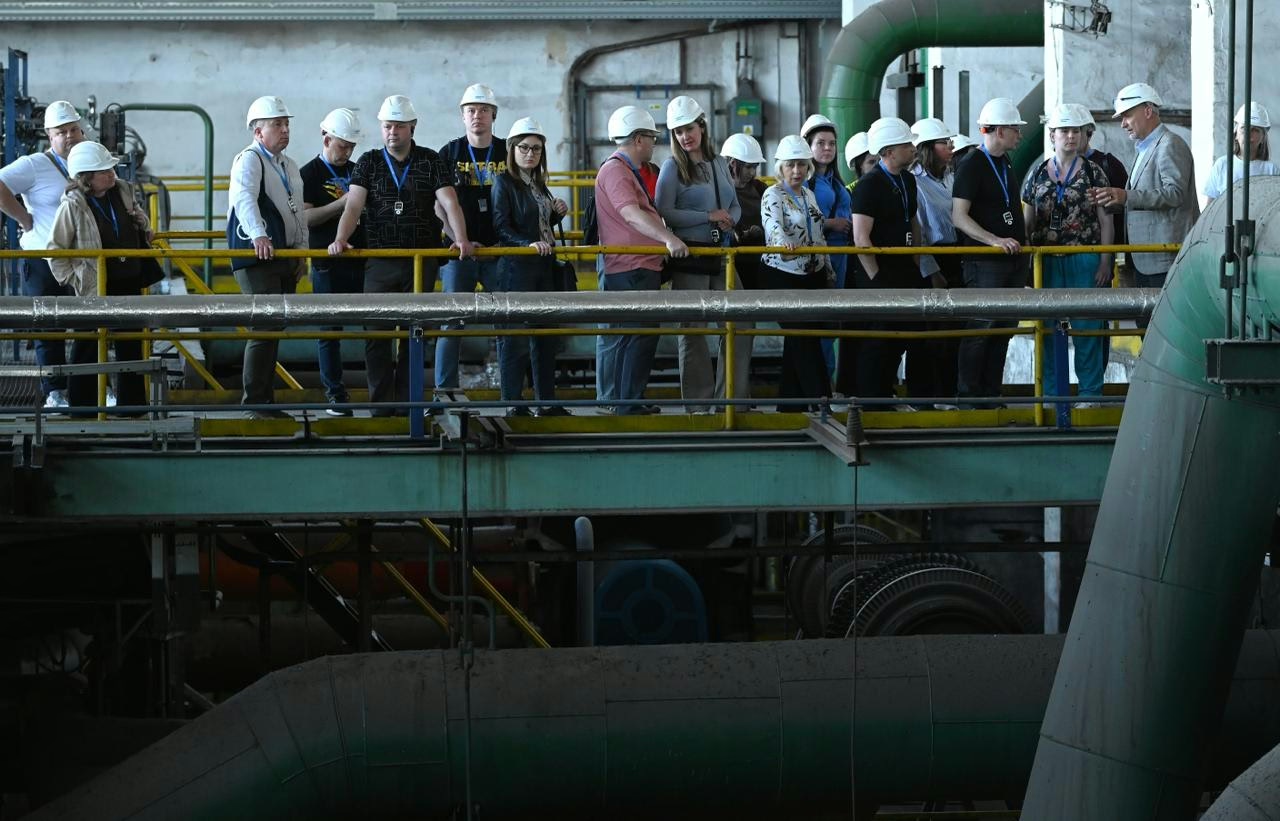
Another critical asset explored by the delegation was thermal storage systems. Put simply, these act as massive “urban thermoses” that capture and store thermal energy when it is cheapest or easiest to produce, releasing it back into the system during peak demand hours.
For modern heating networks, this capability is a game–changer – particularly when a city relies on heat pumps or other intermittent sources whose efficiency fluctuates based on the time of day or real–time electricity rates.
In Brno, thermal storage was introduced as part of a comprehensive overhaul of the city’s entire district heating grid. The city is systematically upgrading its networks, transitioning from legacy steam–based systems to hot water, while integrating cogeneration, biomass, and other advanced heat sources. Thermal storage gives this system the elasticity and stability it needs, effectively allowing the city to not just generate heat, but strategically manage the timing of its consumption.
For Ukraine, this is a vital frontier, especially given the volatility of the national power grid and the pressing need to splice new energy sources into legacy networks. However, it is critical to recognize that thermal storage does not operate in a vacuum. It must be paired with broader system modernisation – including grid upgrades, building retrofits, and a transition to lower operating temperatures across the distribution network.
Cogeneration: The Simultaneous Production of Heat and Power
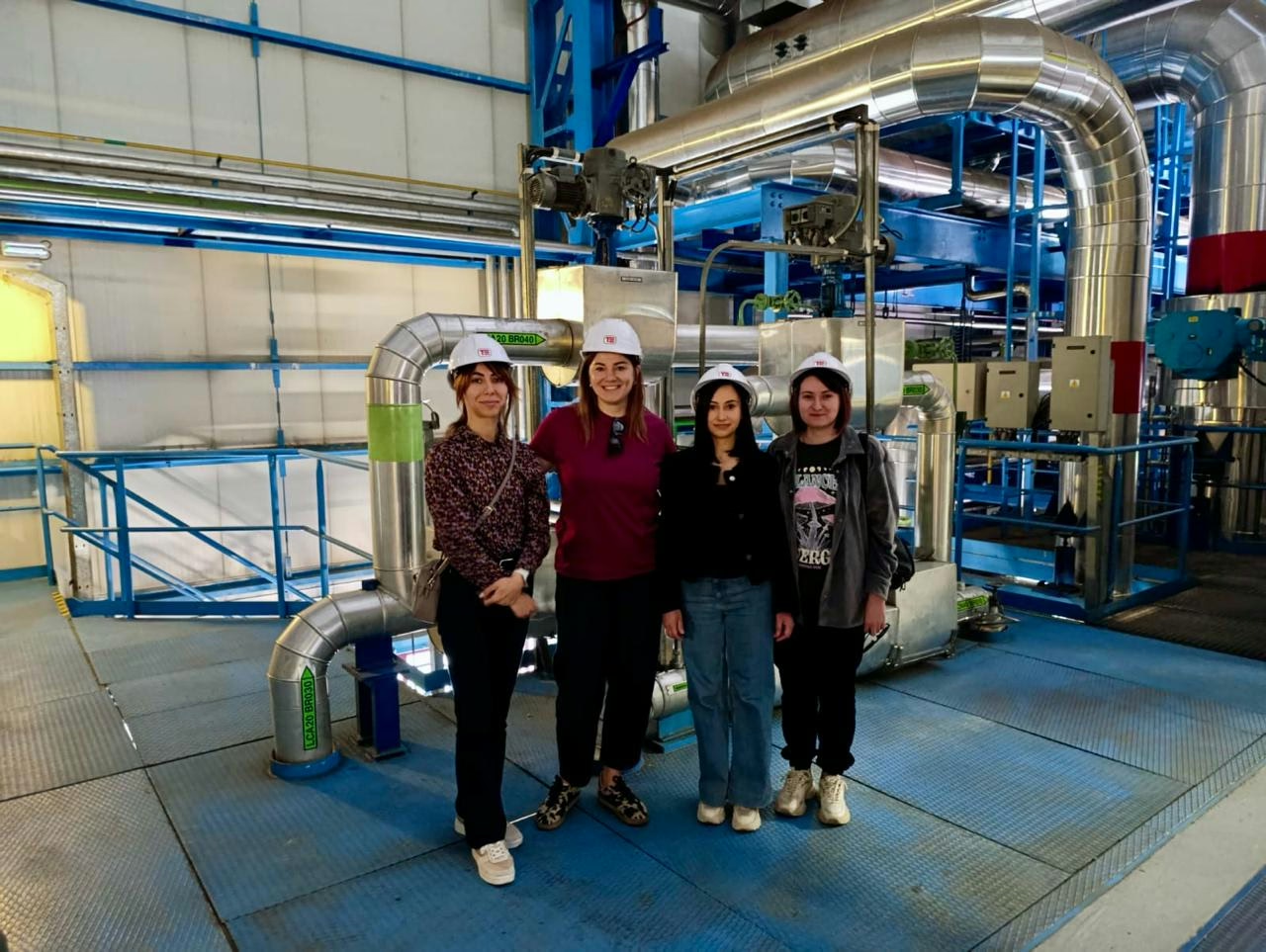
While in Brno, tour participants visited a manufacturing facility specializing in cogeneration units. The operating principle is highly efficient: during electricity generation, the byproduct heat – which is typically wasted and vented into the atmosphere – is instead captured to power the city’s heating and hot water grids. Consequently, the city extracts two vital resources from a single fuel input: heat and electricity. This maximizes energy efficiency and significantly cushions the strain on the broader grid.
For present–day Ukraine, cogeneration is vital for reasons that stretch far beyond utility savings. Amidst the war and Russia’s relentless targeting of energy infrastructure, these units can keep critical facilities online, supply part of cities’ electricity needs, and fortify the winter energy resilience of local hromadas.
A Just Transition: How a Coal Town Navigates a New Energy Blueprint
Another compelling case study from the tour was Prievidza, a town in Slovakia’s Upper Nitra region that had been tethered for decades to the Nováky coal–fired power plant. Following the plant’s decommissioning, the town had to engineer its heating network from scratch. Rather than hunting for a silver–bullet technology, the new blueprint relied on a diversified tech–mix: heat pumps, solar collectors, biomass, cogeneration, and back–up thermal units.
Yet, the most profound takeaway from Prievidza was not the technology itself. The municipality did not just swap out one fuel source for another; they proactively engaged the community well in advance about life after coal. They addressed how tariffs would adjust, whether heat supply would remain steady, who would finance the upgrades, and what the new infrastructure would entail. Through working groups, public town halls, and transparent dialogues between residents and the utility operator, hundreds of citizens were actively involved. For Prievidza, this was no mere box–ticking exercise; they understood that if residents fail to grasp why changes are happening, what they cost, and what the long–term payoff is, even the most flawless engineering project will trigger deep distrust and community resistance.
Why Ukraine Cannot Afford to Lose Its District Heating Networks
In Ukraine, district heating is heavily stigmatized, frequently associated with decaying grids, massive thermal losses, frequent grid failures, and opaque tariff structures. Driven by these frustrations, many residents have decoupled in favor of individual heating, while developers routinely design new residential complexes completely disconnected from municipal grids.
However, the flaw lies not in the concept of centralized heat, but in decades of deferred maintenance, flawed tariff policies, a chronic lack of capital modernisation, and the absence of long–term urban planning. Ukraine still commands one of the largest district heating infrastructures in Europe. It is precisely this legacy network that can serve as the launchpad for transitioning entire cities to sustainable, modern heating solutions.
The precedents set by Slovakia, Czechia, and Austria prove that district heating can be highly efficient, economically viable, and environmentally sound. Furthermore, European planners do not gamble on a single “perfect” technology. Instead, they curate a hybrid mix tailored to the specific city’s architecture, grid conditions, and locally available resources. The defining logic of this European approach is leveraging existing pipe networks as the core foundation for a clean–energy transition.
To support this vision, Ecoclub is spearheading an in–depth study of the current state of district heating in Ukraine. This research will serve as the cornerstone for a comprehensive modernisation roadmap, aimed at aligning Ukrainian legislation with EU directives on energy efficiency and renewable energy. Our goal is to equip hromadas with proven technical and managerial blueprints, helping them execute these projects through tailored feasibility studies, modernization model analyses, and direct fundraising support.
Concurrently, Ecoclub is setting up its collaboration with housing associations (HOAs) under the “Green DIM” initiative. This program focuses on the deployment of solar installations, heat pumps, and other solutions that help buildings achieve greater energy resilience.
Should Ukraine allow its district heating systems to collapse due to chaotic consumer disconnections and a lack of investment, transitioning our cities to modern, low–carbon energy in the future will become significantly more difficult. The real debate is no longer about whether to salvage district heating. The question is whether we possess the vision to turn post–war reconstruction into an opportunity to build a new heating architecture – one that is resilient, state–of–the–art, and comprehensible to the people it serves.